

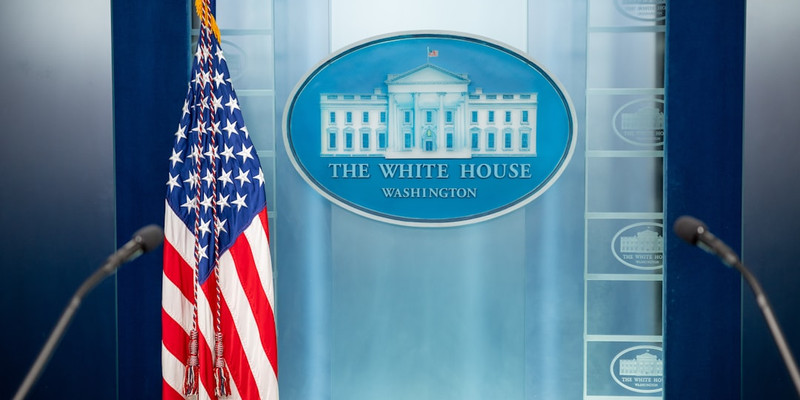
The White House this week unveiled what officials are calling the nation’s first “emotionally affirming tariff strategy,” designed not merely to protect American industry, but to help citizens process their feelings about globalization in a safe and inclusive environment.
Administration economists explained that traditional tariffs focused too heavily on economics and not enough on emotional wellness. Under the updated plan, imported goods will now carry “healing surcharges” intended to restore national self-esteem damaged by decades of cheaply made patio furniture and suspiciously affordable microwaves.
“We realized Americans don’t just want lower prices,” said Commerce Secretary Linda Fairweather while standing beside a pallet of therapeutic washing machines. “They want to feel seen.”
The new initiative reportedly began after several federal employees suffered panic attacks upon discovering that 94% of the office espresso machines were manufactured overseas. One intern allegedly required three weeks of trauma counseling after learning his “Made in America” coffee mug was assembled in Vietnam and emotionally completed in Canada.
Under the proposal, imported products will now include warning labels similar to cigarette packaging. One television displayed a caption reading: WARNING: This blender may contain traces of foreign competition.
Meanwhile, activists celebrated the move as a major step toward “economic mindfulness.”
“We cannot heal as a nation until every toaster acknowledges its colonial supply chain,” said progressive labor activist Chloe Evergreen, who made the statement while livestreaming from a smartphone manufactured by fourteen countries and assembled by exhausted robots in Taiwan.
Retailers have already begun adapting. Walmart announced a new “Patriot Pricing” section where customers can pay triple for items wrapped in miniature American flags. Target unveiled a line of “ethically sourced emotional support hammers” designed for customers coping with election anxiety.
Wall Street reacted cautiously, with analysts uncertain whether the tariffs would help domestic manufacturing or simply cause Americans to start trading eggs like cryptocurrency.
Several universities also announced new graduate programs in “Trauma-Informed Economics,” teaching students how tariffs can create safe spaces for steel workers while validating the lived experiences of emotionally exhausted soybeans.
One Harvard professor defended the strategy during an MSNBC appearance.
“For too long, America treated economics as math,” he explained. “But economics is really about vibes.”
Not everyone supports the plan. Critics argue the tariffs could raise prices for ordinary families already struggling with inflation. However, officials insist higher prices are actually part of the healing process.
“If consumers suffer together,” said one White House adviser, “that’s basically community.”
The administration concluded its press conference by unveiling a giant bronze eagle carrying a yoga mat beneath the slogan: BUILD BACK BETTER FEELINGS.
At press time, Congress was reportedly considering a bipartisan bill imposing a 300% tariff on imported common sense.


