

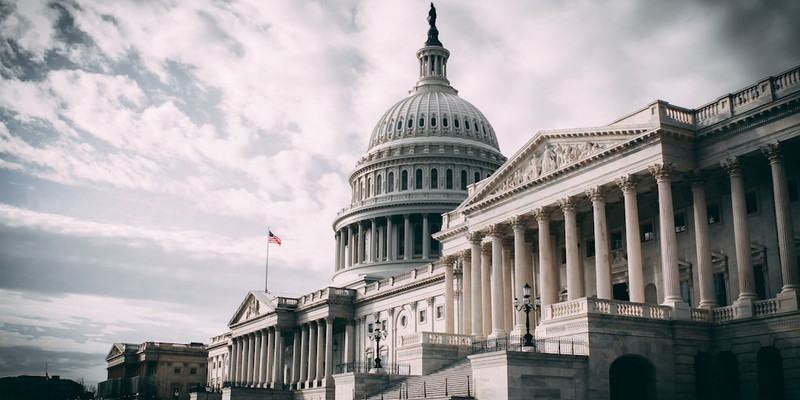
In a rare display of bipartisan cooperation, members of Congress announced this week the formation of a new committee designed to address the nation’s most pressing issues—by studying them extensively and taking no immediate action.
The newly proposed “Comprehensive Strategic Solutions Committee” has already received overwhelming support from both sides of the aisle, with lawmakers praising its potential to “generate meaningful dialogue” and “schedule future discussions.”
“For too long, Americans have demanded quick fixes,” said Senator Harold Whitman. “This committee ensures we approach problems the way Congress was intended to—slowly, thoughtfully, and with several catered lunches.”
The committee’s mandate includes examining inflation, border security, crime, foreign policy, and why previous committees failed to solve any of those issues. Initial plans suggest the group will meet quarterly, or whenever it’s most convenient for members’ fundraising schedules.
House Speaker Linda Carver emphasized the importance of the initiative.
“This isn’t just another committee,” Carver said. “This is a committee about committees—an oversight body ensuring that future committees are formed with maximum efficiency.”
According to insiders, the committee will produce a series of detailed reports outlining potential solutions, all of which will be carefully reviewed, debated, and ultimately filed away for future reference.
“It’s about building a framework,” explained Representative Josh Miller. “Not necessarily implementing it.”
The announcement has been met with cautious optimism from political analysts, many of whom described the move as “deeply familiar.”
“I’ve seen this strategy before,” said policy expert Laura Bennett. “It’s like when your house is on fire and you form a task force to study water.”
Still, lawmakers insist this time is different, citing the committee’s diverse membership and newly approved budget.
“We’ve allocated millions to ensure this committee has everything it needs,” Miller said. “Staff, research materials, ergonomic chairs—it’s all about results.”
Citizens expressed mixed reactions.
“I’m glad they’re finally doing something,” said one voter. “Even if that something is mostly talking about doing something.”
Faith leaders offered a more measured perspective.
“There’s value in wisdom and counsel,” said Reverend Thomas Greene. “But eventually, you have to act. Otherwise, you’re just holding meetings while people struggle.”
Despite the criticism, enthusiasm on Capitol Hill remains high. Lawmakers are already discussing the possibility of forming an additional subcommittee to oversee the new committee’s progress.
At the conclusion of the press conference, Whitman reassured Americans that help is on the way.
“We hear you,” he said. “And we’re committed to continuing to discuss your concerns at the highest levels.”
As of publication, the committee’s first official action will be scheduling its inaugural meeting to determine when the next meeting should take place.


