

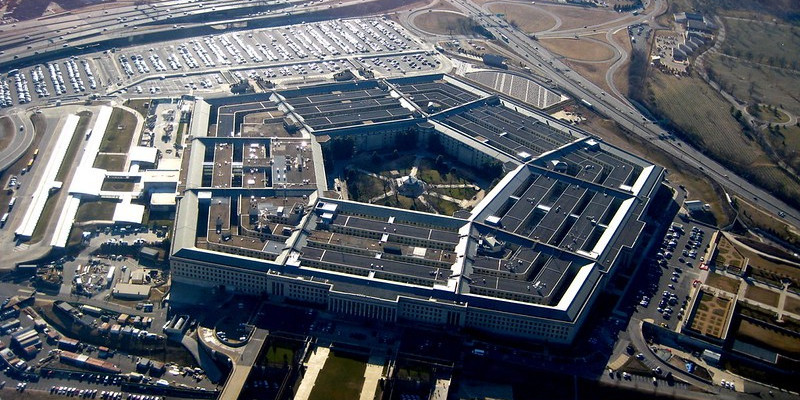
America’s top foreign policy experts held a solemn roundtable discussion this weekend to explain the escalating Middle East conflict, assuring the public the situation is “extremely complex” before promptly leaving Washington for a series of conferences, book signings, and televised panel discussions.
The experts spent nearly three hours explaining that the situation involves layers of history, strategy, geopolitics, and power dynamics too complicated for ordinary citizens to fully understand.
“War is very complicated,” said senior geopolitical analyst Dr. Leonard Crenshaw, adjusting his scarf thoughtfully during a cable news segment. “There are centuries of cultural tensions involved.”
Moments later, Crenshaw boarded a flight to Aspen to moderate a think-tank panel titled “War Is Complicated: A Conversation Sponsored by Defense Contractors.”
The ongoing conflict has dominated headlines, with analysts offering detailed explanations involving airspace control, naval movements, sanctions, proxy groups, and international alliances.
Despite these complicated explanations, many Americans have noticed that the same experts offering strategic advice have successfully predicted approximately zero foreign conflicts over the past 30 years.
Still, Washington insiders insist their guidance remains indispensable.
“Look, we may not have predicted Afghanistan, Iraq, Ukraine, or this one,” explained one retired diplomat. “But imagine how confused everyone would be without us explaining why it all makes sense afterward.”
Pentagon officials say the public should remain calm while the situation develops.
“The most important thing is listening to experts,” said one defense official. “Especially the ones who wrote books explaining why the last conflict was actually a success.”
Meanwhile, a bipartisan group of lawmakers held hearings to discuss the crisis, during which several members admitted they were still trying to locate the region on a map.
One senator was reportedly seen turning the map upside down before whispering to an aide, “Is Iran the one next to Ikea?”
Back in Washington, think tanks quickly released a flurry of policy papers with titles such as “Strategic Implications of Strategic Strategies in Strategic Regions.”
The papers concluded that the conflict requires “careful monitoring,” “continued dialogue,” and “additional funding.”
Ordinary Americans watching the coverage say they remain somewhat skeptical.
“I don’t claim to understand geopolitics,” said Ohio mechanic Rick Sanders. “But it’s amazing how every war is complicated until the bill arrives.”
Still, Washington’s expert class remains confident it will eventually solve the crisis — just as soon as the conference circuit wraps up.
At press time, several analysts had already begun preparing next week’s panel discussion:
“Why No One Could Have Possibly Seen This Coming.”


