

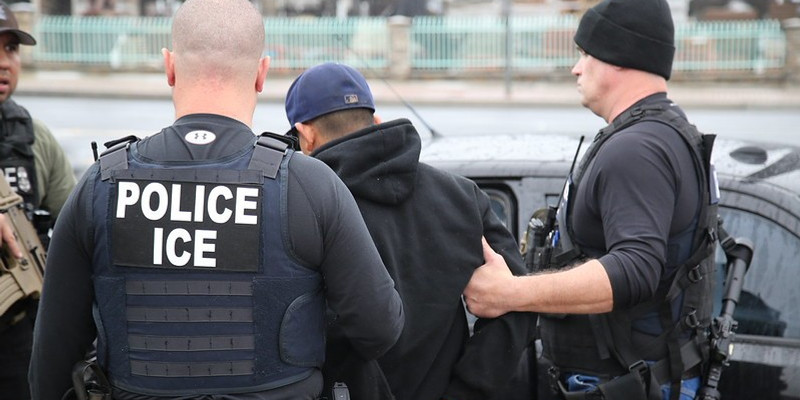
The nation’s leading empathy experts declared a state of emotional emergency Thursday after lawmakers approved massive new immigration enforcement measures, raising fears that America could accidentally become a place where federal laws are expected to function.
According to the Center for Compassionate Noncompliance, the legislation threatens decades of carefully cultivated confusion regarding whether borders are meant to be symbolic suggestions or actual boundaries.
"We spent years teaching Americans that rules are violence," explained senior researcher Dr. Harmony Feelgood while standing beside a twelve-foot inflatable globe labeled No Human Is Illegal Except Taxpayers. "Now Congress is sending the dangerous message that laws may apply even when someone doesn't agree with them."
The announcement triggered panic throughout activist circles. Several nonprofit organizations reportedly held emergency meetings to determine whether they could continue calling immigration laws racist if those laws were being enforced equally.
One coalition quickly released a 400-page report warning that successful border security could create a devastating shortage of outrage.
"If crossings decrease, many professional protesters may be forced to seek alternative employment," the report stated. "The human cost could be immeasurable."
Universities immediately responded by launching new degree programs in Advanced Border Denial Studies. Graduates will be trained to identify invisible humanitarian crises occurring whenever government agencies perform their stated responsibilities.
Meanwhile, cable news panels worked around the clock to explain why enforcing existing laws represents a greater threat to democracy than ignoring them.
"Democracy is strongest when voters don't get what they voted for," said one political analyst. "That's what the Founders intended."
The administration's supporters dismissed the criticism.
"We're simply enforcing the law," one official reportedly said before being accused of weaponizing common sense.
In response, several activist groups proposed replacing physical borders with "community affirmation corridors" where travelers would be welcomed through interpretive dance and emotional validation exercises.
The proposal gained immediate support from cultural commentators who argued that maps themselves are a colonial construct.
One professor insisted that geographic boundaries were invented by seventeenth-century cartographers seeking to oppress modern social media influencers.
At a candlelight vigil for endangered bureaucratic ambiguity, attendees shared emotional stories about the trauma of seeing government agencies perform their assigned duties.
"I haven't felt this unsafe since someone asked me to show ID at the airport," said one tearful participant.
Faith leaders observing the debate offered a different perspective.
"Compassion and order aren't enemies," one pastor noted. "But apparently that's too controversial for people who think fences are hate speech."
As the evening concluded, activists unveiled a giant memorial honoring all the federal laws they preferred to keep decorative.
The ceremony ended abruptly, however, when participants accidentally formed a line, followed instructions, and briefly experienced the terrifying sensation of living in an organized society.


