

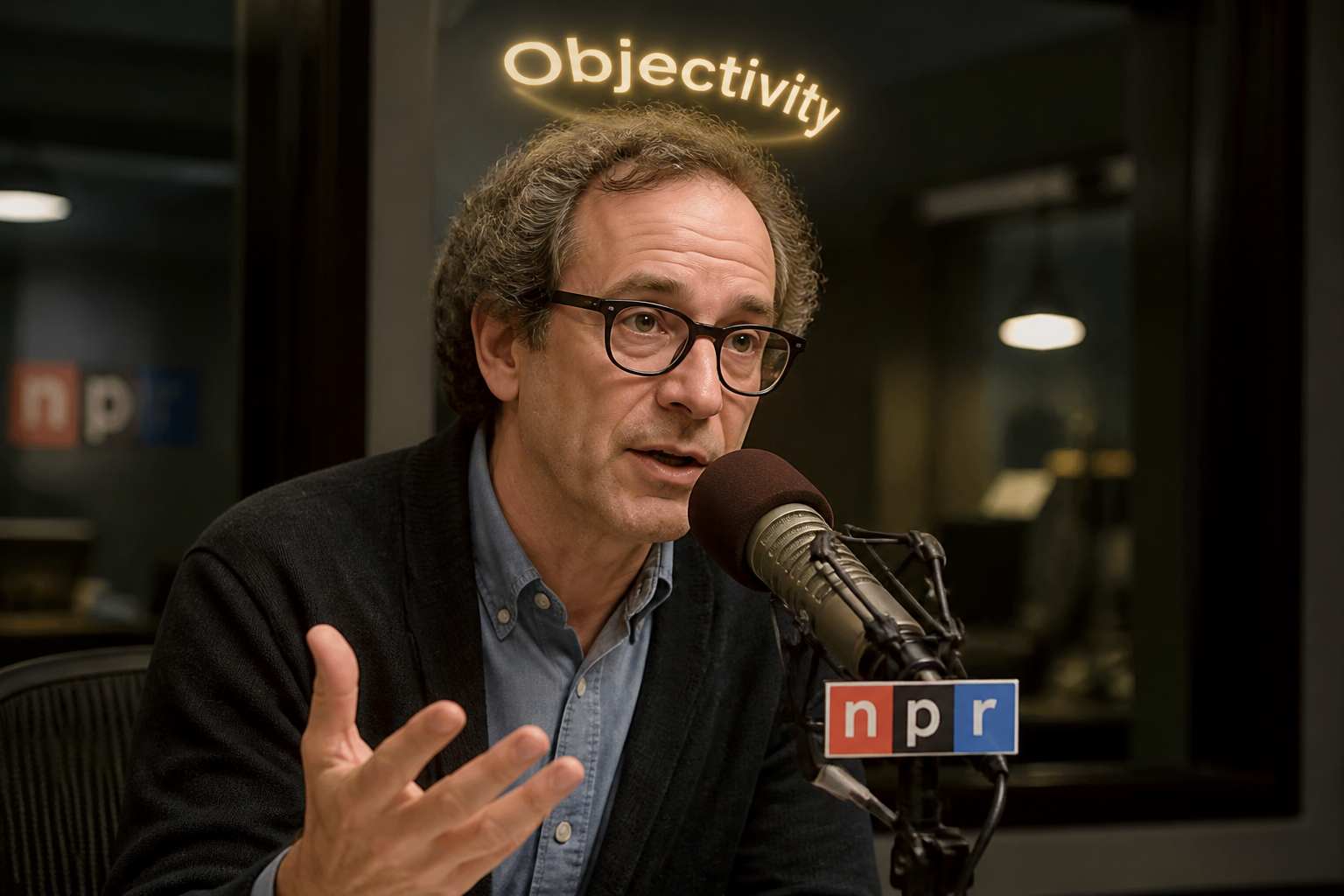
Listeners Report Feeling Unsafe After Exposure to Unvetted Thought
WASHINGTON, D.C. – Executives at National Public Radio are reportedly reeling today after a crisis of unprecedented proportions rocked the organization to its core: the discovery that one of their own, a senior editor with 25 years of experience, harbored a private thought that did not perfectly align with the prescribed daily narrative.
The editor, Uri Berliner, committed the journalistic sin of publishing an essay suggesting that perhaps, just maybe, the network’s coverage had developed a slight point of view and wasn’t being received as the pure, unfiltered voice of objective reality by people outside of their five-mile radius.
In response, NPR management has moved swiftly to contain the damage. An all-staff memo, reportedly written on sustainably sourced, tear-absorbent paper, was circulated to reassure employees that the office remains a safe space from the threat of intellectual diversity.
“We were horrified to learn that a perspective deviating from our consensus reality was allowed to fester undetected for years,” read the memo from NPR’s newly appointed Chief Narrative Officer, Cadence Whisperwood. “We want to assure our staff and listeners that we are taking immediate steps to de-platform this rogue opinion and interrogate the systemic failures that allowed a non-approved thought to be generated internally.”
According to sources inside the building, emergency support circles were immediately established in the breakroom, where staff could process their trauma over fair-trade coffee and gluten-free scones. A therapy dog, a Golden Retriever named ‘Checks & Balances,’ was also brought in, but was reportedly dismissed after displaying “problematic levels of enthusiasm for all people, regardless of their voter registration.”
New Initiatives to Prevent Future Incidents of Journalism
In a press conference held via a Zoom call to minimize the carbon footprint of their crisis management, Whisperwood outlined a bold new path forward to ensure such a lapse in ideological purity never happens again.
Key initiatives include:
- The ‘How Does This Make Trump Look Bad?’ Filter: A new, mandatory step in the editorial process where every potential story—from international conflicts to local bake sales—must first be analyzed through the prism of how it can be framed as a direct or indirect consequence of the Trump presidency. “A story about a lost puppy isn't just a story about a lost puppy,” Whisperwood explained. “It’s a story about the fraying of our social fabric in a post-2016 world.”
- Diversity, Equity, and Inclusivity Training (For The One Guy Who Disagreed): Mr. Berliner will be required to attend a series of intensive workshops designed to help him understand the harm his independent thoughts have caused to the hivemind.
- The 'All Things Reconsidered' Program: A new flagship show where hosts will take a previously reported story, like the Hunter Biden laptop, and spend an hour reconsidering all the ways they were correct to ignore it in the first place.
“Our commitment to presenting the news without fear or favor remains unshaken,” Whisperwood stated, adjusting her horn-rimmed glasses. “We will continue to fearlessly favor the correct side of history. It’s what our listeners, and our government funding, demand.”
When asked by a reporter if shutting down internal dissent was contrary to the mission of a news organization, Whisperwood seemed puzzled.
“I’m not sure I understand the question,” she replied. “We aren’t shutting down dissent. We are elevating the one true story. It’s a subtle but important difference that you’d understand if you had attended the proper seminars. Now, if you’ll excuse me, we have a four-part series on the problematic undertones of bird watching that needs my immediate attention.”


