

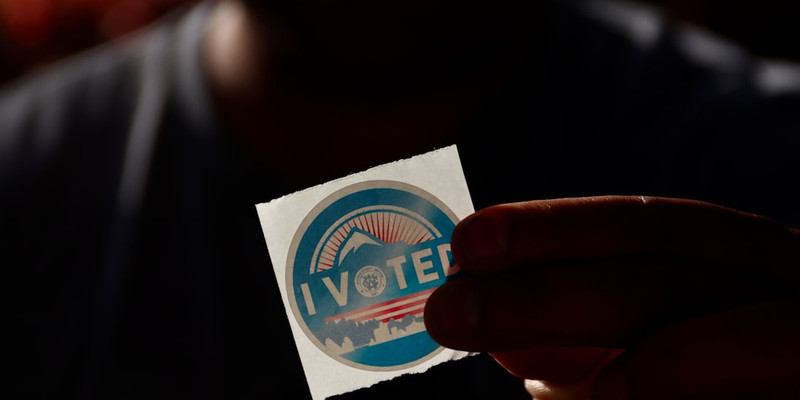
Election officials in North Carolina were stunned this week after discovering over 34,000 deceased individuals still listed on voter rolls—though the real shock came when several of them reportedly showed up to defend their civic participation.
“We were told democracy was dead,” said one confused poll worker. “Turns out, it’s just extremely committed.”
The discovery has ignited fresh debates about election integrity, voter roll maintenance, and whether zombies now qualify as a protected voting demographic.
State officials initially described the situation as a “clerical oversight,” explaining that removing tens of thousands of deceased voters is a complex process involving paperwork, verification, and apparently, a Ouija board.
“We take election security very seriously,” one official stated. “But we also don’t want to disenfranchise anyone who’s only mostly dead.”
Eyewitnesses claim several “voters” arrived at polling locations looking pale but determined.
“One guy said he hadn’t voted since 1987 and didn’t want to miss his chance,” said volunteer Karen Mitchell. “I didn’t have the heart to tell him he technically already had.”
Critics argue the situation raises serious concerns about election integrity, while others insist it’s simply evidence of an “inclusive democracy that refuses to let something as trivial as death silence marginalized voices.”
“This is what equity looks like,” said one activist. “If breathing people get a vote, why not the non-breathing community?”
Meanwhile, tech experts have proposed innovative solutions, including facial recognition software capable of distinguishing between living voters and those who have “crossed into early retirement permanently.”
Congress has also weighed in, with one lawmaker proposing a new “Zombie Voter Outreach Program” to ensure undead citizens receive proper ballots and access to transportation—preferably during daylight hours for everyone’s safety.
Not to be outdone, a major cable news network hosted a panel discussion titled “Are Dead Voters the Real Victims?” which concluded that the real issue is society’s bias against people who are “chronologically challenged.”
Election officials insist they are working quickly to clean up the rolls, though progress has reportedly been slowed by several voters refusing to be removed on the grounds that they “feel more politically engaged now than ever before.”
At press time, one deceased voter was seen passionately arguing with a poll worker, insisting, “I may be dead, but at least I still believe in democracy—which is more than I can say for half of Congress.”


