

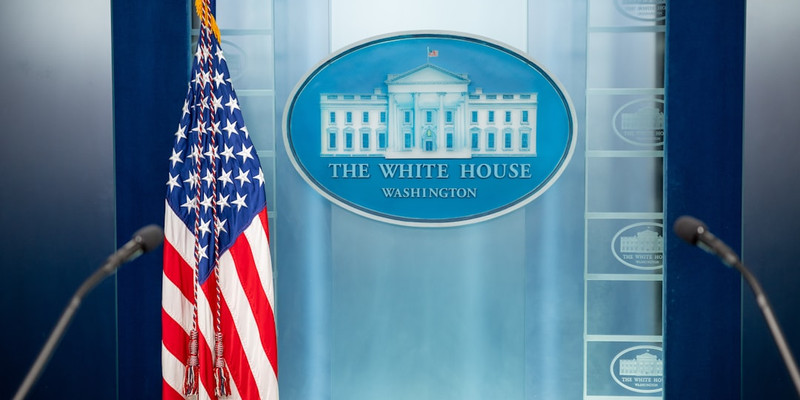
The White House moved swiftly this week to reassure Americans that rising prices, shrinking paychecks, and the sudden need to finance eggs are all part of a “temporary perception phase” expected to end just as soon as citizens stop noticing it.
Senior economic advisors unveiled a new initiative called “Inflation Reduction Through Positive Thinking,” which encourages Americans to reframe financial hardship as “unexpected opportunities for character growth.” Officials insisted the plan is already working—particularly among those who can no longer afford televisions to watch the news.
“Inflation isn’t real in the way people think it is,” said one administration economist while gently sipping a $19 oat milk latte. “It’s more of a shared emotional experience. If Americans would just stop obsessing over prices, they’d realize their money still technically exists—it just buys less.”
The announcement comes as families across the country report cutting back on essentials like meat, electricity, and hope. In response, the White House recommended simple lifestyle adjustments, such as “eating memories instead of meals” and “viewing rent as a suggestion rather than a requirement.”
Treasury officials also highlighted recent data showing wages have increased slightly, if measured exclusively in optimistic press releases. “When you adjust for our expectations, Americans are actually thriving,” one official explained. “The problem is they keep adjusting for reality instead.”
Meanwhile, major media outlets praised the administration’s transparency, with one anchor noting, “It’s refreshing to see leadership redefine economic hardship as a mindset issue. It really empowers viewers to feel responsible for things completely outside their control.”
In an effort to demonstrate solidarity, several lawmakers pledged to personally experience inflation by briefly scrolling through grocery delivery apps. One senator reported feeling “deeply impacted” after seeing the price of orange juice, calling it “a sobering reminder of what normal people are Googling these days.”
Faith leaders, however, offered a slightly different perspective, reminding Americans that while economic systems may falter, truth remains constant. “You can’t spin reality forever,” one pastor noted. “Eventually, people notice when their wallet is lighter than the explanation.”
At press time, officials confirmed a follow-up plan to combat recession concerns by renaming it a “temporary vibe shift,” urging Americans to stay calm, stay positive, and above all, avoid looking at their bank accounts.


