

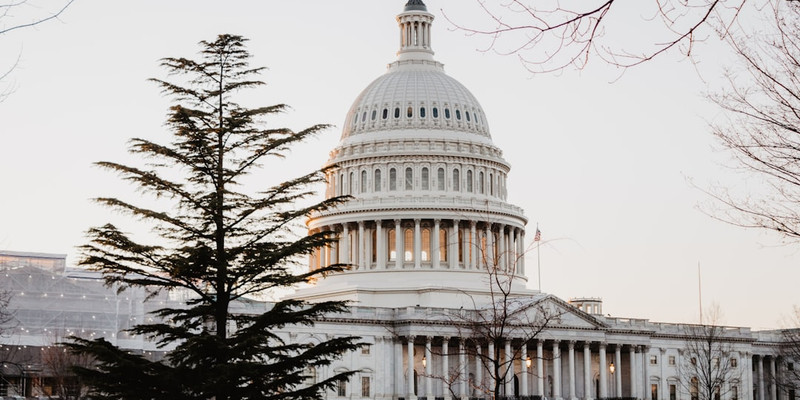
In a rare moment of unity, Congress overwhelmingly approved a $12 billion federal package Tuesday dedicated to uncovering the root causes behind Americans’ growing distrust of Congress.
Lawmakers hailed the measure as “historic,” “necessary,” and “completely unrelated to the fact that approval ratings currently hover somewhere between toenail fungus and airline food.”
The newly created agency, officially named the Federal Bureau of Democratic Feelings, will reportedly spend the next six years conducting exhaustive studies into why citizens no longer trust the people routinely insider-trading their way into beachfront property.
“We hear the American people loud and clear,” declared Senate Majority Leader Thomas Whitaker during a press conference held beneath a chandelier worth roughly four public schools. “That’s why we’re investing billions to discover why they keep screaming at us.”
The initiative will fund academic research, emotional listening circles, influencer partnerships, and at least fourteen documentaries explaining that distrust in government is likely caused by “misinformation” rather than Congress itself.
One federal contract reportedly allocates $900 million toward studying whether taxpayers become radicalized after reading their own utility bills.
Another grant will examine the psychological damage caused by accidentally watching C-SPAN sober.
Experts from elite universities quickly joined the effort.
“This is an extremely complex issue,” explained Georgetown political scientist Dr. Alicia Moreno. “Americans don’t simply wake up one morning distrusting Congress. It usually develops gradually after decades of corruption, incompetence, and televised hearings featuring people who look like haunted turtles.”
To ensure objectivity, lawmakers confirmed the investigation will be led entirely by current and former government employees.
The program also includes a public outreach campaign encouraging citizens to reconnect emotionally with elected officials.
One proposed advertisement reportedly features senators shopping at grocery stores while pretending to understand egg prices.
Meanwhile, members of Congress expressed shock that public skepticism even exists.
“I don’t understand the hostility,” said one congressman speaking from a donor-funded Napa Valley retreat. “We passed three thousand pages of legislation at 2 a.m. without reading it. That’s called leadership.”
The initiative has already produced its first recommendation: increasing congressional salaries to “restore institutional dignity.”
Citizens reacted with predictable enthusiasm.
“Ah yes,” said Indiana plumber Mark Delaney, “nothing rebuilds trust like politicians spending billions to investigate why nobody trusts politicians.”
Cable news outlets immediately praised the proposal as “a vital investment in democracy,” while carefully avoiding all footage of congressional hearings from the last decade.
Several lawmakers defended the price tag by arguing democracy itself is expensive.
“Freedom isn’t free,” explained one senator while boarding a government-funded private jet. “Especially not for us.”
At press time, Congress announced a second bipartisan bill allocating an additional $8 billion to determine why Americans seem increasingly annoyed every April 15.


