

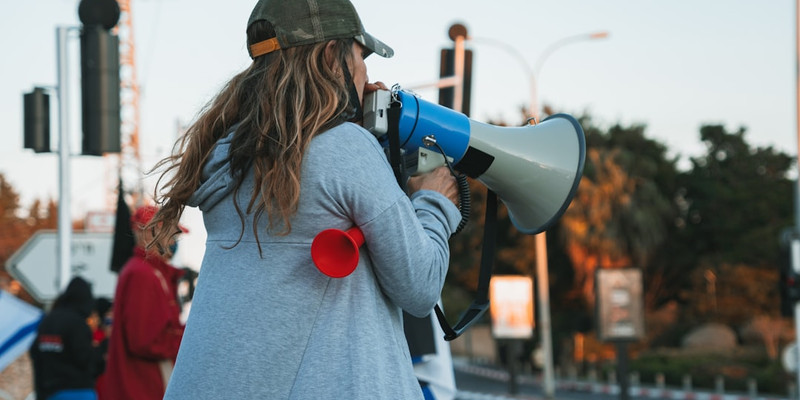
A major university announced updates to its free speech policy this week, clarifying that while free expression remains a core value, silence will now be strongly encouraged for the emotional safety of the campus community.
University leaders described the change as a “modernization” necessary to protect students from the psychological stress caused by hearing opinions.
“Free speech is absolutely welcome here,” said a university administrator during a carefully scripted press conference. “But we must balance it against the right of others not to hear it.”
The updated policy explains that speech may be restricted if it is deemed disruptive, offensive, confusing, insufficiently progressive, or simply delivered at an inconvenient moment. Approved speech zones will remain available between 2:00 and 2:15 p.m. on alternating Thursdays, weather permitting.
Students expressed mixed reactions. Some praised the policy for creating a safer environment where no one is surprised by disagreement.
“I came here to learn,” said one student. “But not like… learn things I don’t already believe.”
Others were less enthusiastic. One junior noted that the free speech policy now requires more paperwork than a federal loan application. “I tried to express an idea,” he said, “but my request was denied for lacking enough approved citations from people who already agree with me.”
University officials defended the policy, emphasizing that speech must be handled responsibly. “Words have power,” said a dean. “Which is why we prefer to keep them locked up.”
The administration also introduced new training sessions to help students identify unsafe language, including sarcasm, historical references, and unsanctioned humor.
Faith-based student groups were reminded that religious expression remains protected, provided it aligns with current cultural standards and does not imply moral clarity.
“We support diversity of belief,” the policy states, “as long as those beliefs remain flexible.”
In a statement, the university reaffirmed its commitment to open dialogue, describing it as “an important tradition we deeply value in theory.”
The policy concludes by encouraging students to express themselves through approved channels, such as anonymous surveys that will not be read.
At press time, the university was ranked first nationally in expressive silence.


