

Energy analysts across the nation expressed deep concern Thursday after oil prices surged past $100 per barrel following Iranian attacks on tankers in the Persian Gulf. The shocking development left cable news panels scrambling to understand how explosions in one of the world’s most important shipping lanes might possibly affect the price of oil.
Within minutes of the price spike, experts on three separate networks convened emergency roundtables to explore alternative explanations, including climate change, pickup trucks in Texas, and “America’s deeply problematic relationship with gasoline.”
“This is very puzzling,” said one analyst while pointing intensely at a map of the Middle East that he had just learned existed. “Sure, oil tankers are literally on fire in the world’s primary energy corridor, but we can’t rule out the possibility that suburban dads driving F-150s are the real cause.”
Producers quickly assembled a panel featuring a hedge fund manager, a sociology professor, and a 23-year-old TikTok activist who specializes in explaining geopolitics through interpretive dance.
According to the activist, the situation clearly demonstrates “the dangerous consequences of fossil fuels and toxic masculinity.”
“When men feel insecure, they build oil tankers,” she explained. “And when those tankers explode, the patriarchy raises gas prices. It’s basic intersectional economics.”
Meanwhile, several reporters appeared stunned when a retired Navy officer calmly explained that the Strait of Hormuz carries a massive portion of the world’s oil supply.
“So you’re saying,” one host asked cautiously, “that if ships carrying oil get attacked… fewer ships carry oil?”
“Yes,” the officer replied.
“And that might… affect oil prices?”
“Also yes.”
The host paused for several seconds before responding, “We’ll need to verify that.”
Elsewhere, climate activists immediately demanded that the government respond to the crisis by banning gasoline entirely.
“If Americans simply stopped using oil, then attacks on oil tankers wouldn’t affect us,” said one activist while being driven to the protest in a rideshare SUV. “This is the kind of bold thinking Washington lacks.”
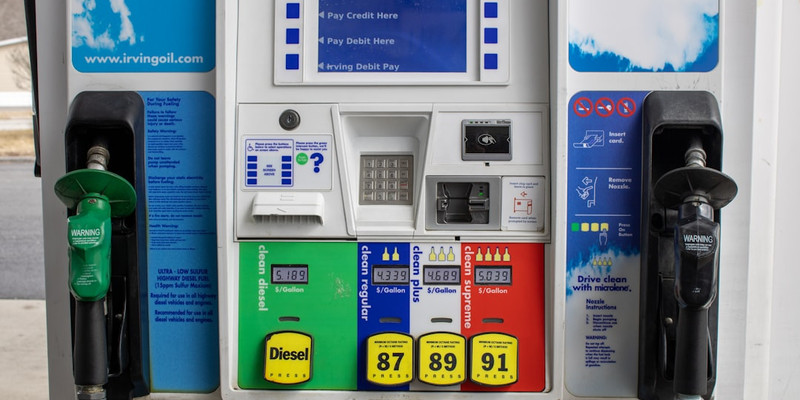
Congress also responded swiftly, announcing the creation of a bipartisan committee to investigate whether oil prices are secretly being manipulated by gas stations displaying numbers on signs.
“We’ve noticed that every time gas prices rise, the numbers on the signs go up,” said one senator. “Frankly, that seems suspicious.”
The White House released a statement urging calm while reminding Americans that the administration remains committed to energy independence, strategic deterrence, and occasionally turning the thermostat down two degrees.
Back in the newsroom, producers were still working through the mystery.
“Look, we’re journalists,” one senior editor said. “We can’t jump to conclusions just because the world’s most important oil route is under attack.”
He paused before adding thoughtfully:
“But if prices keep rising, we’re prepared to run a very serious investigative series about the dangers of pickup trucks.”


