

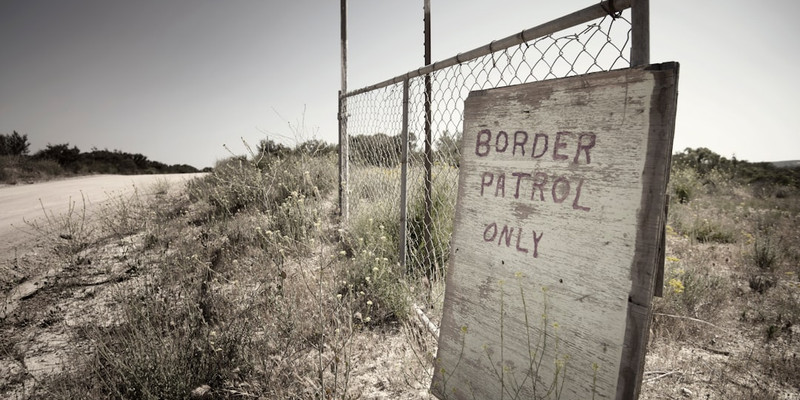
In a triumphant bipartisan press conference Tuesday, Senate leaders unveiled what they proudly described as a “comprehensive border security framework” — a 1,200-page legislative masterpiece that reportedly secures grant funding, consultant contracts, and at least three new federal subcommittees.
The border itself remains optimistic.
According to lawmakers, the proposal allocates $4 billion toward a “Border Experience Equity Task Force,” $2 billion for a climate impact study on border wall shadows, and $600 million for rebranding the word “crisis” into something less judgmental.
“This is the strongest border bill we’ve ever almost enforced,” said one senator while standing in front of a banner reading SECURITY THROUGH PROCESS. “The American people don’t want solutions. They want frameworks that lead to conversations about solutions.”
The plan includes hiring 3,000 new “Migrant Encounter Specialists,” trained primarily in conflict de-escalation and pronoun affirmation. When asked whether the bill increases physical barriers or enforcement measures, another lawmaker clarified, “We don’t want to escalate things by implying that borders are meant to stop movement. They’re more like inspirational guidelines.”
Conservative critics were quick to point out that the proposal appears to fund everything except actual border control. “I’ve seen lemonade stands with tighter oversight,” said one House member. “This bill doesn’t secure the border — it secures reelection campaigns.”
Meanwhile, progressive supporters hailed the legislation as a “bold step forward in redefining sovereignty.” One activist explained, “Traditional borders are rooted in exclusion. This bill courageously affirms that lines on maps are more of a vibe.”
The Department of Homeland Security praised the measure’s $900 million investment in “community listening sessions” along the southern border, where officials will gather feedback from residents about how the concept of a border makes them feel.
Border Patrol agents, upon reviewing the bill, reportedly needed a moment.
“I flipped through the whole thing,” said one agent who asked to remain anonymous. “There’s funding for murals, podcasts, and a traveling empathy workshop. I couldn’t find anything about, you know… stopping illegal crossings.”
White House officials defended the plan, noting that enforcement without reflection is “outdated.” A senior advisor stated, “We believe in addressing root causes. And if those root causes happen to be thousands of miles away in foreign governments, we’ll be sending a strongly worded letter.”
In an unexpected twist, the legislation also includes a pilot program to replace the term “illegal entry” with “undocumented enthusiasm.”
Despite fierce debate, leadership insists this is the compromise Americans have been waiting for. “This bill proves democracy works,” one senator declared. “When neither side gets what they want, that’s unity.”
At press time, lawmakers announced Phase Two of the strategy: commissioning a $12 million study to determine whether the word “border” is itself too divisive for modern America.
The border, meanwhile, continues operating under its long-standing open-door policy — now with better branding.


