

The Unbearable Tightness of Being
WASHINGTON, D.C.—In what experts are calling a pivotal moment for civil rights, the debate over airline seat size has been elevated from a mere matter of consumer comfort to a profound crisis of identity and systemic inequity. Following calls from advocacy groups for the Federal Aviation Administration (FAA) to finally mandate minimum seat dimensions, the nation’s progressive media has bravely taken up the cause, framing the issue of limited legroom as a direct assault on human dignity.
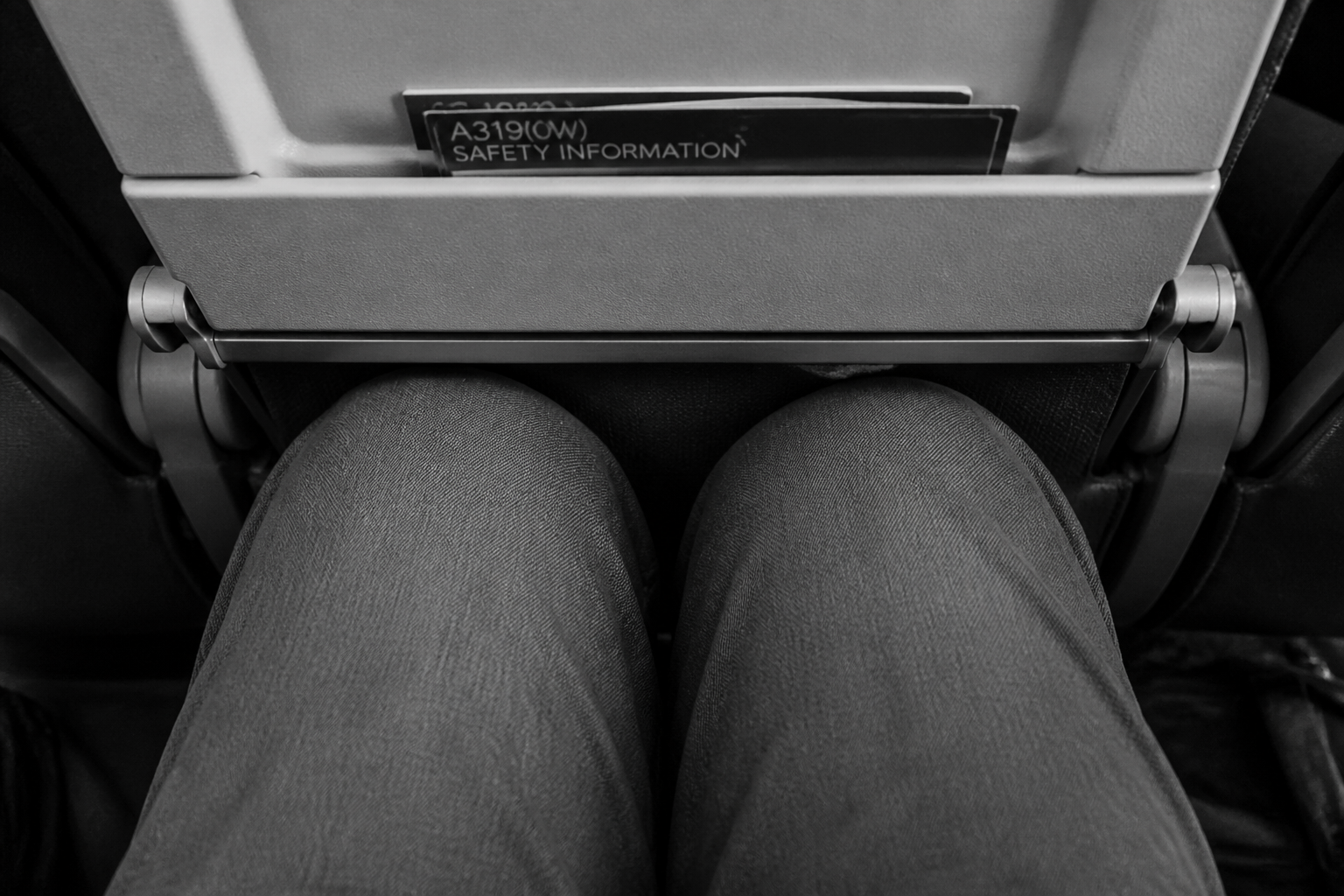
The conversation was reportedly galvanized by a now-viral 37-part thread from Brayden Summers, a freelance social media coordinator and activist from Portland. During a flight to a sustainable kombucha conference, Summers found his knees were “in conversation with” the seat back in front of him. “This isn’t just about discomfort,” he tweeted from Gate B12 after landing. “This is about the airline industry refusing to see me. My personal space, my truth, was colonized for three and a half hours. The flight attendant offered me pretzels, but what I needed was validation.”
From Coach Class to Social Class
Summers’ harrowing tale of survival in seat 24B was quickly amplified. An op-ed in The Atlantic, titled “The Architecture of Apathy: How Seat Pitch Upholds the Patriarchy,” argued that cramped airline seating is a tool designed to enforce traditional power structures. “The standard 31-inch pitch is a relic of a bygone era, an era that centered the travel experience around a single, normative body type,” wrote author and tenured sociologist Dr. Willow Krenshaw. “To be seated in economy is to experience a microcosm of societal marginalization.”
The piece went on to connect insufficient lumbar support to the gender pay gap and noted that the slow beverage service in the rear of the cabin was “emblematic of the trickle-down economics that has failed marginalized communities for decades.”
Inspired by this intellectual courage, lawmakers are taking action. Rep. Alexandria Ocasio-Cortez (D-NY) is reportedly drafting the “Airline Seating and Emotional Lived-experience Act” (ASELA), which would not only set minimum seat sizes but also establish a federal commission to study the psychological trauma of being assigned a middle seat. An early draft of the bill proposes that airlines offer “trauma-informed boarding procedures” and mandates that all in-flight safety announcements begin with a land acknowledgment.
A Movement Takes Flight
The movement has already spilled onto college campuses. The University of California, Berkeley, has announced a new graduate seminar for the spring semester: “Aero-Normativity and Spatial Justice: Deconstructing the Cabin from 30,000 Feet.” Course materials are said to include a deep-dive into the problematic history of the non-reclining seatback.
Meanwhile, major corporations, ever vigilant for the next branding opportunity, are listening. Delta Air Lines is rumored to be test-piloting a new “Equity Plus” section. For an additional $80, passengers will receive three extra inches of legroom, a complimentary wellness beverage, and a small card validating their feelings of being cramped on previous flights. A spokesperson for the airline noted, “We want our customers to feel seen, heard, and adequately accommodated, both physically and emotionally.”
Not everyone, however, is on board. Critics of the new movement are being dismissed as suffering from “privilege-induced comfort blindness.” When one traveler on social media suggested that seat size was primarily an economic issue tied to fitting more passengers on a plane, he was swiftly ratioed for his “stunning lack of empathy” and for “perpetuating the violence of market-based logic.”
As the FAA continues to review public comments, one thing is clear: the simple act of buying a plane ticket is no longer just a transaction. It is a profound moral statement. And for those relegated to the back of the plane, their discomfort is no longer an inconvenience; it is a powerful, lived experience of systemic oppression, finally getting the attention it deserves. At least until the next crisis emerges over insufficient overhead bin space.


