

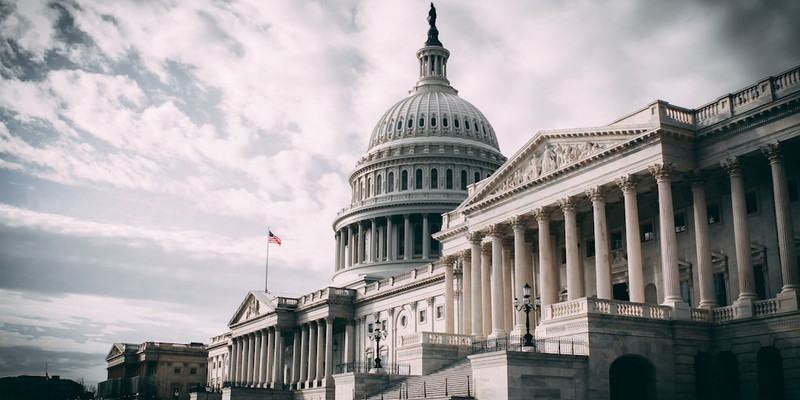
In a rare show of bipartisan urgency, Congress passed an emergency bill late last night authorizing a full-scale investigation into a troubling national trend: some Americans still appear to have money.
Lawmakers from both parties described the phenomenon as “deeply concerning,” warning that isolated cases of financial stability could undermine broader economic narratives.
“We’ve worked very hard to create a consistent experience for all Americans,” said one senator. “When a small group continues paying bills comfortably, it raises serious equity issues.”
The newly formed “Committee on Unexpected Prosperity” will examine how certain individuals have managed to maintain savings, pay off debt, or even—according to preliminary reports—go out to dinner without checking their bank balance first.
“This isn’t about punishing success,” insisted a representative. “It’s about understanding how it happened so we can make sure it doesn’t create unrealistic expectations for others.”
Initial findings suggest that many of the individuals under investigation engaged in controversial behaviors such as budgeting, avoiding unnecessary debt, and working multiple jobs—practices lawmakers described as “potentially exclusionary.”
“We’re seeing a pattern of personal responsibility,” said one committee member. “And frankly, that’s not a system everyone has access to.”
The bill allocates millions in funding for outreach programs designed to help financially stable Americans “reconnect with the broader economic struggle.”
One proposed initiative includes mandatory seminars titled “Spending Like The Rest of Us,” where participants will learn how to increase subscription services, upgrade devices annually, and develop a healthy dependence on delivery apps.
“We want to meet people where they are,” explained a policy advisor. “And gently guide them toward a more relatable financial situation.”
Citizens identified as “economically out of sync” may also be offered incentives to take on manageable levels of debt in order to “build empathy.”
Not everyone is convinced the program is necessary.
“I saved money, avoided credit cards, and lived within my means,” said one targeted individual. “Now they’re telling me I’m part of the problem?”
Still, lawmakers insist the investigation is critical for national unity.
“A country divided between those who are struggling and those who aren’t is not sustainable,” said a senator. “We need to close that gap—preferably by lowering the top.”
Faith leaders have offered a different perspective, emphasizing stewardship over uniformity.
“There’s wisdom in managing what you’ve been given,” said one pastor. “But apparently now that’s under review.”
Despite pushback, Congress remains committed to the effort.
“At the end of the day, this is about fairness,” the representative concluded. “No American should feel left out of economic hardship.”
At press time, the committee announced plans to expand its investigation to include anyone who still understands how interest rates work.


