

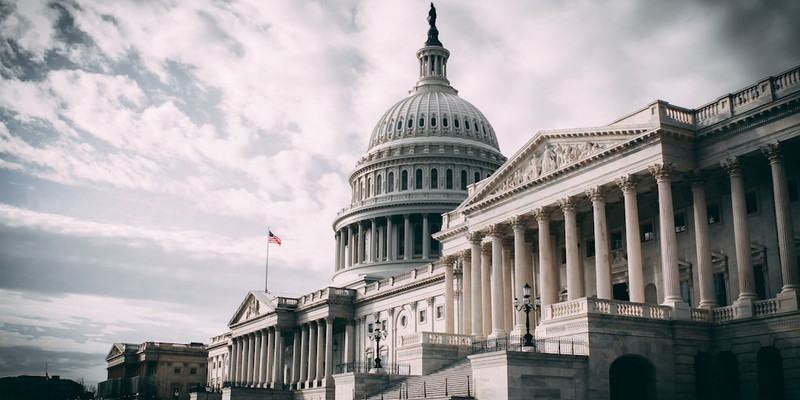
In a rare display of bipartisan cooperation, Congress has approved a sweeping emergency funding package aimed at answering one pressing question: why does nothing seem to work anymore?
The bill, which allocates billions of dollars toward a newly formed Commission on Systemic Ineffectiveness, passed with overwhelming support from both parties, each eager to demonstrate their commitment to “getting to the bottom of things.”
“This is a critical moment for our nation,” said one senator. “We must fully understand why government programs fail—before we continue funding them indefinitely.”
The commission will reportedly spend the next several years conducting in-depth studies on issues such as infrastructure delays, bureaucratic inefficiency, and the mysterious phenomenon of agencies missing deadlines despite having no deadlines.
Early plans include a 900-page report, followed by a follow-up report explaining why the first report didn’t solve anything.
“We’re taking a comprehensive approach,” said a congressional aide. “Step one is identifying the problem. Step two is forming a subcommittee. Step three is forgetting what step one was.”
Lawmakers emphasized that the funding is essential for progress.
“You can’t fix what you don’t understand,” said another official. “And we’ve spent decades not understanding things very thoroughly.”
Some critics argued that the investigation itself may become part of the problem.
“This is like hiring someone to figure out why hiring people hasn’t worked,” said one watchdog group. “At some point, you have to try… doing something.”
Still, Congress remains confident that the initiative will yield results—or at least more initiatives.
“We expect to uncover valuable insights,” said the commission’s newly appointed chair. “For example, we may discover that inefficiency is caused by too many investigations into inefficiency.”
Taxpayers, meanwhile, expressed cautious skepticism.
“I’d feel better if they fixed something first,” said one citizen. “But I guess studying why they haven’t fixed anything is a start.”
In a show of transparency, lawmakers pledged to keep the public informed throughout the process, with regular updates explaining why updates are delayed.
At press time, the commission had already requested additional funding to investigate why its initial budget wasn’t enough.


