

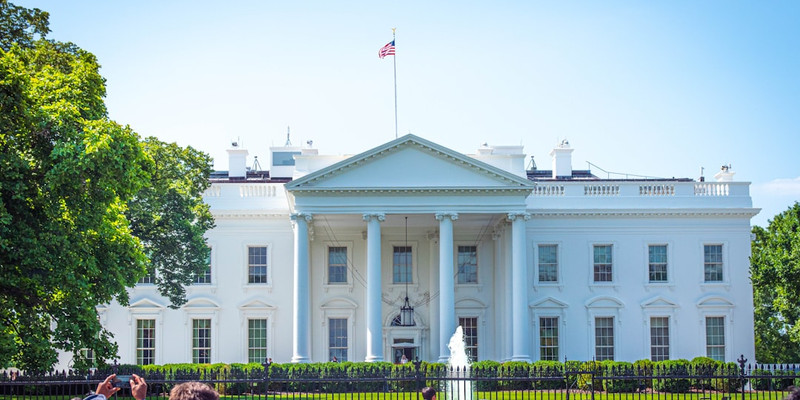
Washington exploded this week after renewed attention surrounding President Biden’s infamous autopen scandal reignited questions about who exactly was running the White House during large portions of his presidency.
Republicans argue that Biden staffers increasingly relied on the autopen device to authorize executive actions as concerns mounted over the president’s health and cognitive sharpness.
Democrats quickly dismissed the controversy as “dangerous misinformation,” insisting the autopen was merely “an accessibility tool for democracy.”
“The president was fully engaged,” said former communications advisor Dana Wilkerson. “Just because the machine signed 11,000 documents doesn’t mean President Biden wasn’t spiritually present.”
Sources close to the administration claim staff became so dependent on the device that aides allegedly began using it for nearly everything inside the White House.
According to insiders, the autopen reportedly signed executive orders, pardons, Christmas cards, climate declarations, and at least three inspirational Peloton thank-you notes.
One former intern claims the machine even approved lunch requests.
“We stopped interrupting him after 3 p.m. because naps are sacred,” said the aide anonymously. “Eventually someone realized the autopen had higher approval ratings than Congress, so we just rolled with it.”
The scandal intensified after conservatives joked that the machine itself may deserve retroactive cabinet status.
“This wasn’t Biden’s presidency,” argued one Republican lawmaker. “This was America’s first Xerox administration.”
Meanwhile, media outlets scrambled to defend the former president by insisting all modern presidents use autopens occasionally.
Critics countered that most presidents at least remain conscious during the process.
CNN attempted damage control with a segment titled Five Reasons Mechanical Signatures Are More Empathetic Than Human Leadership.
MSNBC went further, featuring a constitutional scholar who argued the autopen represented “a bold evolution beyond outdated carbon-based governance.”
Progressives praised the technology for removing problematic human elements from leadership.
“Machines are less biased,” explained activist Amelia Crestwood. “Humans bring flaws like memory, awareness, and accountability.”
The White House reportedly considered embracing the controversy by officially identifying the autopen as “America’s First Non-Binary Executive Instrument.”
Merchandise prototypes were already being designed before legal advisors intervened.
Several former Biden aides also defended the arrangement privately.
“One of the benefits,” admitted an anonymous staffer, “was that the autopen never wandered off mid-sentence or challenged a coat rack to a debate.”
Not everyone was amused.
Across Washington, Americans expressed concern that unelected staffers may have exercised enormous power behind the scenes while corporate media aggressively ignored obvious warning signs.
Still, administration loyalists insisted Biden remained deeply involved in governance.
“He personally selected the autopen ink color,” one ally clarified. “Leadership matters.”
At press time, Democrats reportedly began exploring whether the autopen itself could legally run for president in 2028.


