

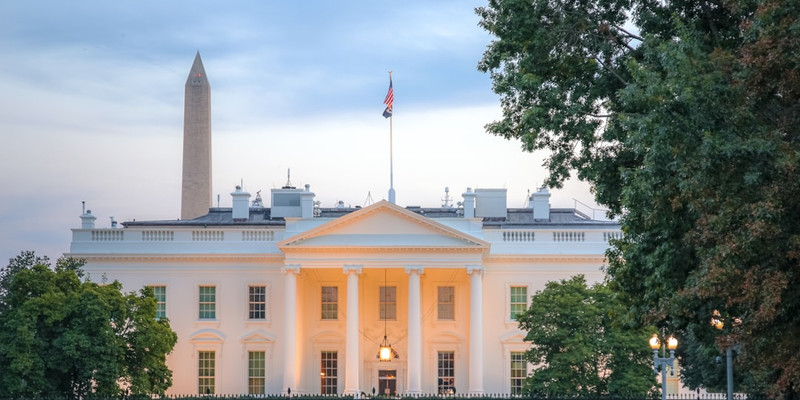
In a move officials are calling “visionary” and critics are calling “exactly what we feared,” the White House unveiled a sweeping new plan this week to combat inflation by officially redefining what counts as “expensive.”
Under the proposal, any item previously considered overpriced will now be reclassified as “emotionally premium,” allowing Americans to feel better about spending twice as much on groceries, gas, and basic survival.
“This is about perspective,” said one senior economic advisor while standing beside a chart that appeared to be drawn in crayon. “If a dozen eggs costs $9, that’s not inflation—that’s an elevated poultry experience. Frankly, Americans should feel honored.”
The policy reportedly came after months of internal debate, during which officials struggled to lower prices but found great success lowering expectations. Sources say the breakthrough came when a staffer suggested that reality itself might be the problem.
“We kept trying to fix the economy,” the advisor continued, “but then we realized—it’s much easier to fix language.”
Under the new guidelines, rent will now be described as “urban investment participation,” fast food as “artisanal drive-thru cuisine,” and utility bills as “climate engagement contributions.”
The administration also plans to roll out a public awareness campaign encouraging citizens to adopt the new terminology in daily life.
“I used to panic at the grocery store,” said one supporter of the policy. “Now I just whisper ‘this is fine’ while buying $47 worth of sandwich ingredients. It’s very calming.”
Critics, however, remain skeptical.
“This is like calling a hurricane a ‘wind opportunity,’” said one economist. “You can rename it all you want, but people still get soaked.”
Officials dismissed such concerns, noting that many Americans already use similar logic in their personal finances.
“Have you ever looked at your bank account and said, ‘Well, technically I still have money’?” asked another aide. “That’s the spirit we’re scaling nationally.”
Faith leaders have also weighed in, with some cautiously optimistic about the plan’s emphasis on gratitude.
“There’s something biblical about being content in all circumstances,” said one pastor. “But I’m fairly certain Scripture did not include $12 milk.”
Meanwhile, the administration is already teasing Phase Two of the strategy, which involves redefining “saving money” as “not spending everything at once.”
As for whether the plan will actually reduce inflation, officials were clear.
“Oh, absolutely not,” the advisor said. “But it will dramatically reduce complaints, which is basically the same thing.”
At press time, Americans were reportedly adjusting well, with many expressing relief that they are no longer broke—just participating in a historically immersive economic experience.


