

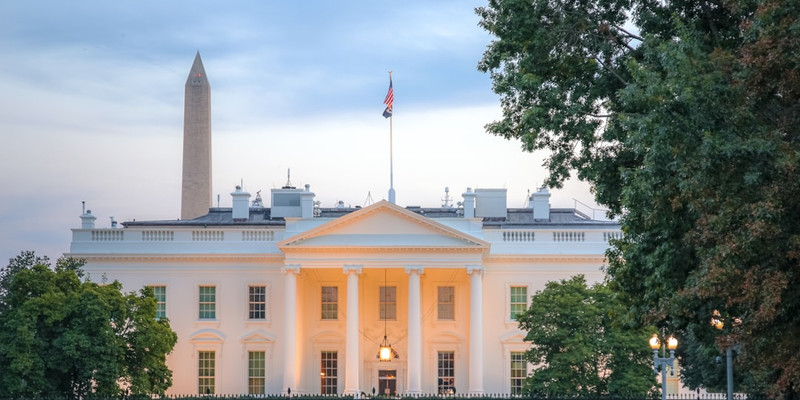
The White House reassured Americans this week that the U.S. economy remains “strong,” following what officials described as a “minor semantic update” to the definition of the word.
According to insiders, the revised definition now includes conditions such as persistent inflation, rising consumer debt, and a general sense of uncertainty—provided those factors are accompanied by confident messaging.
“A strong economy isn’t about numbers anymore,” said one administration spokesperson. “It’s about resilience, perception, and how assertively we say the word ‘strong’ during press briefings.”
The change comes amid growing concern from Americans who have noticed that everyday expenses continue to rise while wages struggle to keep pace. Officials insist these observations are valid—but ultimately irrelevant.
“We understand people feel like things are more expensive,” the spokesperson added. “But feelings are not data. Our data shows the economy is strong, and we feel very strongly about that.”
To help clarify the new definition, the administration released a helpful guide. Under the updated framework, “strong” now encompasses:
- Paying more for groceries
- Using credit cards more frequently
- Wondering where your paycheck went
- Being told everything is fine
Economic analysts were quick to praise the administration’s innovative approach.
“This is a breakthrough in economic theory,” said one expert. “By decoupling strength from measurable outcomes, policymakers have created an infinitely sustainable model.”
Meanwhile, everyday Americans are still adjusting to the new terminology.
“I checked my bank account and nearly fainted,” said one worker. “But then I remembered—the economy is strong. So I guess I’m doing great?”
The administration has also encouraged media outlets to adopt the updated language, noting that consistency is key to maintaining public confidence. Early compliance has been promising, with several reports already describing rising costs as “evidence of economic vitality.”
Faith leaders have offered a more measured perspective.
“There’s a difference between speaking life and ignoring reality,” one pastor said. “One builds faith—the other builds confusion.”
Still, officials remain optimistic that Americans will eventually embrace the new definition.
“Strength isn’t about what you have,” the spokesperson concluded. “It’s about what you’re told you have—and how often you hear it.”
At press time, the administration announced plans to update additional economic terms, including redefining “affordable” as “technically purchasable” and “savings” as “delayed spending opportunity.”


