

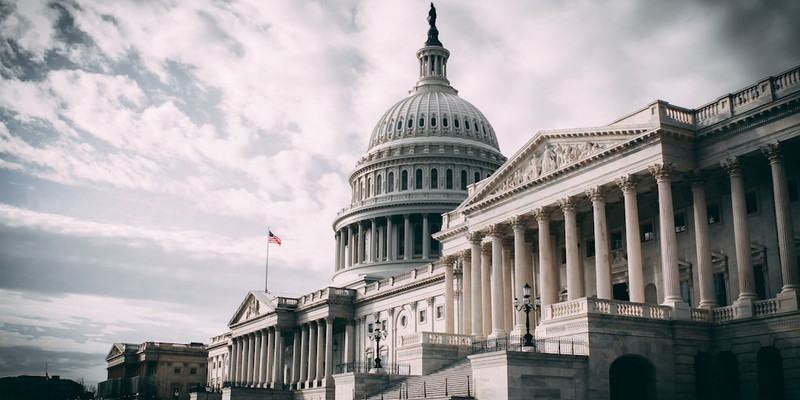
Congress celebrated another historic bipartisan achievement Tuesday after approving a massive spending package lawmakers promised would reduce inflation by spending an amount roughly equivalent to the GDP of several medium-sized planets.
The 4,300-page bill reportedly passed after intense overnight negotiations involving lobbyists, consultants, caffeine overdoses, and at least three senators accidentally falling asleep on the text itself.
Lawmakers praised the legislation as a bold act of fiscal restraint despite analysts warning the bill may require future generations to auction national monuments on Facebook Marketplace.
“We’re making tough choices,” said Senate Majority Leader Calvin Brooks while standing beside charts nobody understood. “Sure, the bill costs trillions, but the important thing is we called it affordable.”
The package allegedly includes:
- $9 billion for climate-conscious congressional yoga retreats
- $14 million studying emotional trauma caused by unapproved opinions
- Subsidized electric scooters for federal interns
- A new Department of Sustainable Feelings
One section reportedly allocates emergency funding to teach Americans how to lower expectations regarding home ownership.
Economists across Washington immediately praised the bill using phrases like “historic investment,” “forward-thinking,” and “please stop emailing us about the debt clock.”
Meanwhile, ordinary Americans reacted with confusion after learning Congress had once again solved inflation by creating additional inflation.
“I can barely afford milk,” said Indiana father Mark Reynolds while reviewing his grocery receipt like a hostage letter. “But apparently the government needed another diversity consultant submarine.”
The legislation also contains several unrelated provisions lawmakers admitted they never noticed.
One buried paragraph reportedly authorizes federal studies on whether bald eagles experience climate anxiety, while another allocates $600 million toward creating emotionally inclusive crosswalk signals.
Members of Congress defended the process, insisting nobody actually has time to read bills anymore.
“That’s unrealistic,” explained Representative Dana Holloway. “If lawmakers started reading legislation, nothing would ever get passed except common sense.”
Political analysts noted that despite endless campaign promises about cutting wasteful spending, both parties continue treating taxpayer dollars like casino reward points.
Still, congressional leaders remain proud of the compromise.
“This bill proves democracy works,” said one senator moments before boarding a taxpayer-funded private jet to attend a summit on reducing carbon emissions.
The White House also applauded the measure, calling it “an investment in America’s future,” which economists confirmed is technically true because Americans born in 2094 will still be paying for it.
Several fiscal conservatives attempted to object before being distracted by cable news interviews and commemorative deficit challenge coins.
Meanwhile, younger Americans responded to the bill with remarkable calm after realizing they had already abandoned hope of retirement sometime around 2023.
Financial experts predict the legislation could add trillions to the national debt but stress that modern economic theory has evolved beyond “numbers” and now focuses primarily on vibes.
At press time, Congress had already begun work on a second emergency spending package designed to address the inflation caused by the first emergency spending package


