

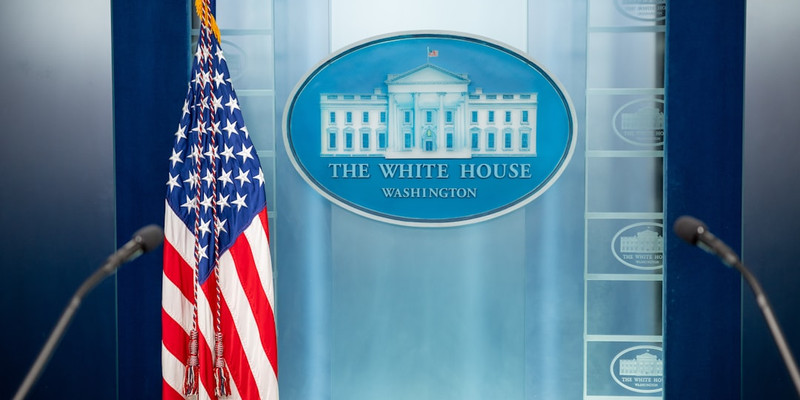
Washington, D.C. — In a spectacular display of governmental clarity, the White House has announced that yes, the recent strike on a Caribbean boat loaded with suspected cartel contraband was ordered — but no, the person accused of giving the order isn’t responsible. According to spokesmen, Pete Hegseth didn’t tell anyone to “shoot survivors”; the strike was actually authorized by Admiral Bradley. So if you’re keeping score: Step one, there was a strike — Step two, some survived — Step three, someone got fired — Step four, blame shifted.
If you’re thinking this might be some mastery of plausible deniability, you’re not alone. One staffer, speaking off the record, reportedly sighed and said, “We believe in chain of command… somewhere in the chain.”
Meanwhile, progressive lawmakers and media outlets are holding emergency conferences filled with moral outrage — apparently because “someone somewhere may have given an order.” One Democrat congressman allegedly shouted, “This violates the Geneva Conventions!” as if the Geneva Conventions came with a human-resource audit clause. Reporters furiously scribbled notes, using four different colored pens to ensure each moral panic looked uniquely heartfelt.
Supporters of the administration responded by asking a simpler but largely ignored question: “If survivors were left alive after a drug-boat strike, can we at least call that a success? Or did we mess up by not finishing the job?”
In true Washington fashion, the official statement concluded: “There was no order given to kill survivors — any assumption otherwise is reckless speculation.” Indeed. Because if there’s one thing modern government messaging has proven time and again, it’s that when in doubt, blame someone unnamed, speak vaguely, and add extra footnotes.
Final Punchline: In the great theatre of modern geopolitics, the White House just handed the script to a nameless admiral — proving once again that sometimes the only thing more powerful than orders is plausible deniability.


