

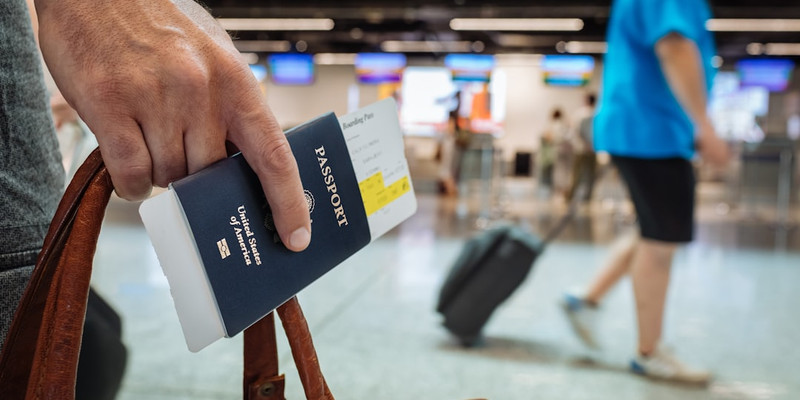
Government passports have historically served one purpose: proving who you are while standing in very long airport lines.
But after renewed attention surrounding an NPR article explaining how travelers could avoid seeing President Trump's image inside certain passport materials, federal wellness experts reportedly concluded Americans needed something far more important than efficient travel.
They needed emotional support.
This week, NPR allegedly partnered with bureaucrats to launch the Presidential Portrait Support Group, a nationwide counseling initiative for anyone unexpectedly exposed to historical imagery while flipping through official documents.
"No American should have to encounter a government portrait without proper emotional preparation," explained fictional therapist Skylar Gentle. "Healing starts with acknowledgment."
Participants begin each session by introducing themselves.
"My name is Kevin," one attendee confessed.
"And I accidentally looked at page three."
The room applauded courageously.
Support counselors then distribute affirmation cards reminding participants that photographs cannot physically harm them, even when printed by the federal government.
Airports immediately adapted.
Before entering TSA checkpoints, passengers now answer a brief wellness survey asking whether they feel emotionally equipped to recognize former presidents.
Anyone selecting "It's complicated" receives herbal tea and noise-canceling headphones.
The State Department reportedly added optional accessories.
Passport sleeves are now available in "Emotionally Neutral Gray."
For travelers seeking additional reassurance, deluxe editions include a foldout trigger warning reading:
"Historical figures may appear inside this document."
Universities welcomed the development enthusiastically.
Several communications departments announced a new seminar titled Advanced Government Document Processing.
Students spend twelve weeks discussing whether passport stamps reinforce geographical expectations.
Graduates receive a certificate confirming they're "internationally self-aware."
Meanwhile, foreign customs officers expressed confusion.
British officials reportedly assumed Americans were filming a reality show.
Swiss agents politely offered chocolate.
Italian border guards simply waved everyone through before another feelings workshop could begin.
Not everyone embraced the new initiative.
One grandmother reportedly opened her passport, shrugged, and boarded her flight in under seven seconds.
Mental health consultants described her behavior as "unexpected resilience."
Officials insist additional improvements are coming.
Future passports may include customizable inspirational quotes, watercolor landscapes, and QR codes linking travelers directly to federally approved breathing exercises before immigration inspection.
At press time, airport bookstores announced record sales of adult coloring books after officials warned that maps, flags, and national monuments may also contain unexpected historical references.


