

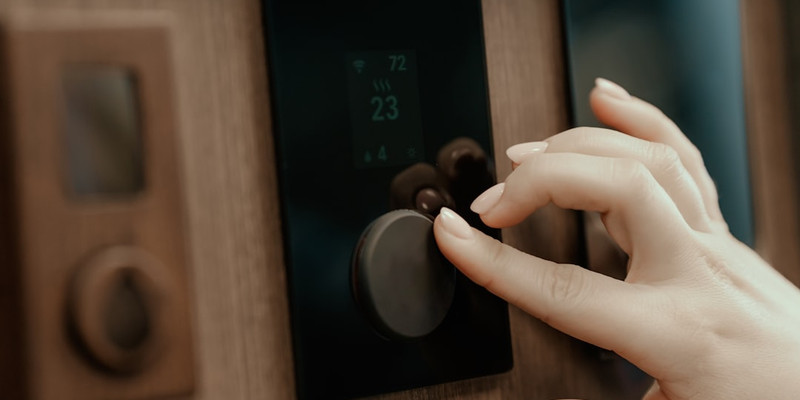
New York officials unveiled what experts are calling the nation's first "Temperature Equity Initiative" this week after renewed calls for residents to keep air conditioners set higher during the summer heat, insisting that thermostats—not government policy—have become the greatest threat facing civilization.
The proposal asks citizens to embrace "climate-conscious perspiration" by adjusting thermostats upward while adjusting expectations downward.
City planners celebrated the initiative as an important step toward environmental justice.
"If everyone simply accepts being slightly uncomfortable forever," one sustainability coordinator explained, "the planet will finally understand that we're serious."
Residents responded by asking whether the policy also applied to government buildings.
Officials clarified that public offices require cooler temperatures "to maintain optimal policymaking conditions."
Environmental consultants immediately praised the distinction.
"Government employees need crisp indoor air to produce PowerPoint presentations explaining why everyone else should be warm."
Several apartment buildings reportedly introduced "Virtue Thermometers" displaying not only indoor temperature but also a resident's estimated moral superiority.
The higher the thermostat setting, the brighter the glowing green halo appeared on the display.
One Manhattan resident proudly announced he had raised his apartment to eighty-one degrees.
"I can no longer distinguish my living room from a tropical greenhouse," he said while fanning himself with an unpaid utility bill. "But my carbon footprint feels emotionally fulfilled."
Local fitness influencers welcomed the change.
"What people used to call sweating is now climate leadership."
The city's hospitality industry remained skeptical.
Restaurant owners wondered whether diners would continue paying premium prices for meals served in what increasingly resembled a community sauna.
Broadway theaters reportedly considered replacing air conditioning with inspirational speeches about resilience.
Meanwhile, utility companies quietly thanked everyone involved for creating record electricity demand as overheated residents purchased increasingly powerful fans to compensate for using less air conditioning.
Economists described the development as "the circle of public policy."
Technology companies also joined the movement by announcing smart thermostats that automatically increase indoor temperatures whenever residents post environmental hashtags online.
Users can temporarily override the setting by admitting they enjoy modern conveniences, although very few are expected to select that option publicly.
Parents expressed concern that children might eventually discover previous generations survived summers without being lectured by appliances.
To address this possibility, several educational organizations proposed new history lessons explaining that Benjamin Franklin invented electricity primarily so Americans could someday feel guilty about using it.
As the campaign expanded, meteorologists confirmed that the sun had not yet agreed to participate.
Officials nevertheless remained optimistic, insisting that if enough people adjusted their thermostats, perhaps reality itself would eventually become more cooperative.
Until then, New Yorkers are encouraged to stay cool—philosophically, if not physically.


