

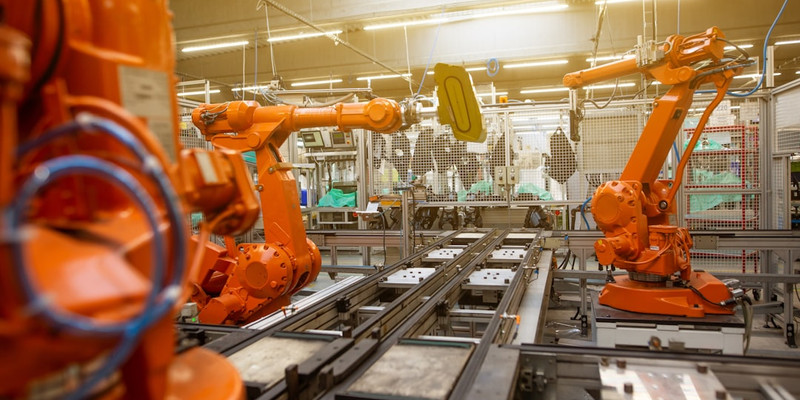
For the first time in decades, economists across corporate media networks are sounding the alarm about a terrifying new possibility: Americans may soon begin making things again.
Following renewed tariff announcements and trade crackdowns this week, financial analysts appeared visibly shaken while explaining the catastrophic consequences of domestic manufacturing to viewers who currently buy patriotic T-shirts made in six different provinces of China.
“This could spiral quickly,” warned MSNBC economic analyst Trevor Pine, adjusting his imported Italian scarf. “If Americans start building steel, electronics, or automobiles here at home, millions of college graduates could suddenly be forced to understand what a wrench does.”
The White House defended the tariffs as a way to strengthen domestic industry, reduce dependence on foreign adversaries, and restore economic resilience. Naturally, this triggered immediate panic among multinational corporations who had spent the last twenty years insisting patriotism was a form of extremism unless it involved Ukrainian flags in social media bios.
Several economists warned that if tariffs continue, Americans could face severe shortages of luxury subscription services designed to explain why they don’t need jobs.
“We’ve become accustomed to a service economy where citizens monetize hobbies while living with three roommates and emotional support plants,” said one Harvard trade professor. “A manufacturing revival could destabilize the delicate ecosystem of podcast consulting.”
Wall Street reacted nervously to reports that a refrigerator plant in Ohio had hired 400 workers who did not possess TikTok management certifications.
Meanwhile, corporate activists gathered outside a shipping port carrying signs reading “Hands Off Foreign Sweatshops” and “Made In America Hurts Diversity.” Protest organizers insisted that requiring products to be built domestically disproportionately impacts billionaire shareholders.
One emotional protester broke into tears while describing the thought of affordable American steel.
“My grandfather worked in a factory,” she said. “Do you realize how problematic that sounds in 2026?”
Media outlets also warned tariffs could increase prices on imported luxury goods by several dollars, which experts say would devastate upper-middle-class progressives currently spending $11 on oat milk beverages while lecturing plumbers about privilege.
In response, Congress immediately proposed a $14 billion “National Emotional Recovery Program” for citizens traumatized by the phrase “economic independence.”
At a press conference Tuesday, one administration official attempted to calm fears.
“Nobody is saying every product needs to be made here,” he explained. “We’re just saying maybe America shouldn’t rely on hostile governments for medicine, semiconductors, steel, lumber, batteries, automobiles, fertilizer, and approximately everything else.”
The statement was widely condemned online as “dangerously practical.”
Social media influencers quickly joined the resistance, posting black squares and videos explaining that tariffs are literally violence against people who enjoy same-day shipping.
Several activist groups also demanded trigger warnings on all “Made in USA” labels until citizens could emotionally process the trauma.
Still, not everyone opposed the move. Workers in several industrial towns celebrated the reopening of factories abandoned sometime between NAFTA and the invention of avocado toast.
One Ohio welder expressed cautious optimism.
“I’m just excited to have a paycheck again,” he said.
His comment was immediately fact-checked by three journalists who confirmed that economic dignity remains controversial.
At publishing time, CNN had assembled a seven-person panel to discuss whether American employment itself might be a threat to democracy.


