

Democratic leaders sounded the alarm this week after unveiling new findings suggesting that climate change is no longer just affecting the environment—but is now directly responsible for a spike in what officials are calling “dangerously incorrect opinions.”
According to a newly released report, rising global temperatures have coincided with an increase in citizens expressing views that do not align with approved narratives, prompting urgent calls for both environmental and conversational intervention.
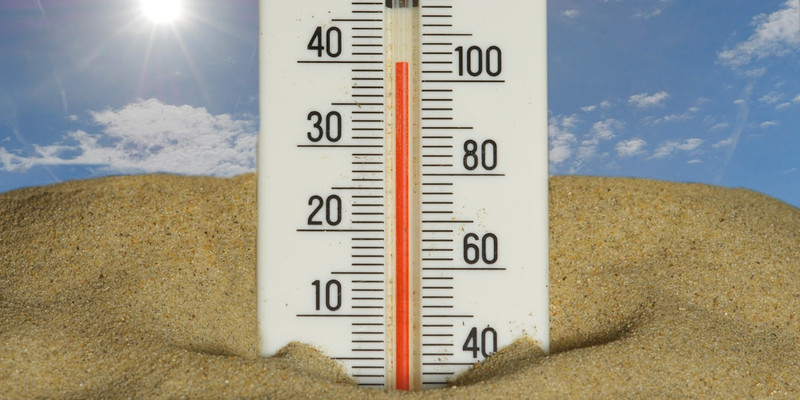
“This is no longer theoretical,” said Senator Rachel Monroe during a press briefing. “As temperatures rise, so does the likelihood that someone will post something deeply problematic online. The science is clear: hotter weather leads to hotter takes.”
The report claims that even a two-degree increase in temperature can result in a 47% rise in unsolicited opinions at family gatherings, with particularly severe outbreaks occurring on social media platforms between the hours of 8 p.m. and whenever someone decides to “just ask a question.”
In response, lawmakers are proposing a comprehensive package known as the Climate and Cognitive Stability Act, which aims to reduce emissions while simultaneously regulating the spread of “unapproved viewpoints.”
Key provisions include government-issued “cooling alerts” that notify citizens when it’s too hot to form independent thoughts, as well as federally funded “Reflection Centers” where individuals can safely reconsider their opinions under professional supervision.
“We’re not trying to silence anyone,” Monroe clarified. “We’re simply creating conditions where the correct ideas can flourish—preferably in a well-regulated, climate-controlled environment.”
Supporters of the bill argue that the connection between climate and cognition is undeniable.
“I noticed it myself,” said activist Daniel Perez. “Last summer, during a heatwave, my uncle suddenly started expressing opinions at the barbecue. It was alarming. This kind of thing used to be rare.”
Critics, however, have questioned both the science and the proposed solutions.
“This feels less like climate policy and more like thought control with a thermostat,” said policy analyst Greg Holloway. “At some point, we have to ask whether the problem is the temperature—or the intolerance.”
Faith leaders also weighed in, emphasizing the importance of truth over emotional reaction.
“Wisdom isn’t determined by the weather,” said Pastor Caleb Wright. “Truth doesn’t melt under pressure—it stands firm regardless of the climate.”
Despite pushback, the proposal has gained momentum among lawmakers eager to address what they describe as a dual crisis.
“This is about protecting both the planet and the conversation,” Monroe concluded. “If we don’t act now, we could be facing a future where anyone feels free to think anything at any time.”
At press time, the bill had already been amended to classify disagreement as a renewable energy source due to its seemingly endless supply.


