

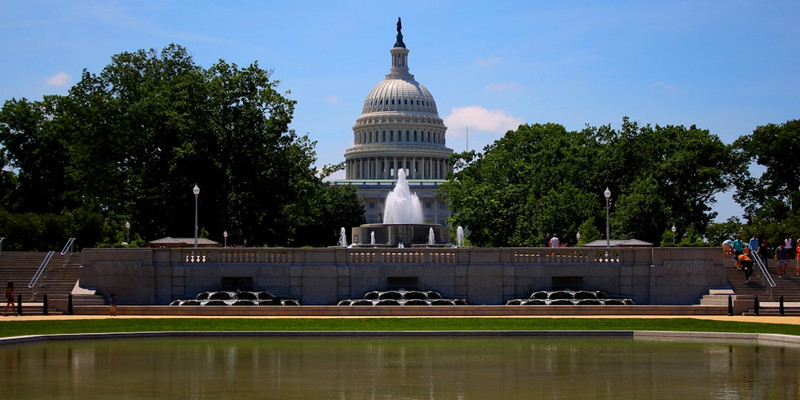
Congress proudly unveiled a sweeping new piece of legislation this week titled the “Affordable Spending Act,” a bold attempt to reduce government waste by dramatically increasing it in a more “intentional and equitable” way.
Lawmakers on both sides of the aisle praised the bill as a historic step toward fiscal responsibility, despite early estimates suggesting it could cost upwards of $9 trillion over the next decade.
“We’re not just spending money—we’re investing in the idea of not spending money later,” said one senior legislator. “And if you think about it long enough, that basically cancels it out.”
The bill includes funding for dozens of new programs aimed at reducing inflation, lowering deficits, and studying why previous programs failed to reduce inflation or lower deficits. Among its provisions is a $600 billion initiative to create a federal committee tasked with defining what “affordable” actually means.
Supporters insist the price tag is being misunderstood.
“Numbers can be misleading,” explained a budget committee spokesperson. “What matters is the intention behind the spending. And our intention is extremely affordable.”
To ensure transparency, the bill mandates quarterly reports that will be immediately summarized into shorter reports, then condensed further into bullet points, before being archived in a secure location where no one can find them.
Critics, however, raised concerns that the legislation may worsen the very problems it claims to solve.
“You can’t fix overspending by overspending more creatively,” said one economist. “That’s like trying to lose weight by investing in a larger belt.”
Still, the bill has gained traction among lawmakers eager to demonstrate action.
“Voters want results,” said another official. “And if we can’t deliver results, we can at least deliver a very large bill that looks like results.”
Meanwhile, the legislation also includes a provision allowing Congress to redefine the national debt as a “long-term optimism metric,” a move supporters say will help Americans “feel better about the numbers.”
Faith leaders responded by urging honesty and stewardship.
“There’s wisdom in living within your means,” one pastor noted. “That principle doesn’t stop applying just because you’re holding a government office.”
At press time, Congress was reportedly considering a follow-up bill to address concerns about the cost of the Affordable Spending Act, expected to cost an additional $4 trillion.


