

Lawmakers this week introduced a groundbreaking proposal aimed at addressing what they describe as one of the nation’s most overlooked injustices: unequal levels of happiness.
Dubbed the “Emotional Equity Contribution Act,” the plan would impose higher taxes on Americans who report above-average life satisfaction, with officials arguing that unchecked joy represents a dangerous form of privilege.
“For too long, certain Americans have been walking around smiling, laughing, even enjoying their lives—while others are struggling,” said one congresswoman at a press conference. “That disparity is not only unfair, it’s structurally baked into the system.”
Under the proposal, citizens would complete a quarterly “Wellness Disclosure Form,” rating their mood, gratitude levels, and frequency of spontaneous laughter. Those scoring in the top percentile would face what insiders are calling a “joy adjustment fee.”
“If you’re posting vacation photos, grilling steaks on weekends, or saying things like ‘life is good,’ you’re probably underpaying your fair share,” the congresswoman added.
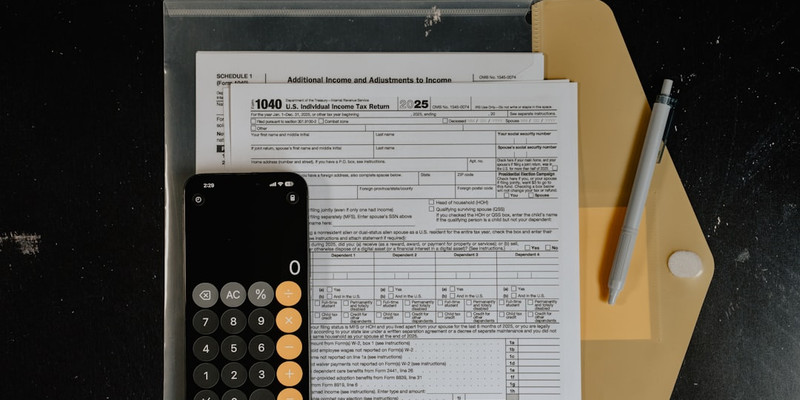
The IRS is reportedly preparing a new division—tentatively named the Bureau of Emotional Compliance—to monitor social media activity, neighborhood barbecues, and church potlucks for signs of unauthorized contentment.
Critics have raised concerns about enforcement, but supporters insist the science is clear.
“Studies show happiness is contagious,” said a policy advisor. “And right now, it’s spreading unevenly. We need to flatten the joy curve.”
To ensure fairness, the bill includes exemptions for individuals experiencing “government-approved levels of stress,” including student loan borrowers, social media managers, and anyone who has tried to assemble IKEA furniture without crying.
Meanwhile, Americans are already adjusting their behavior in anticipation of the law’s passage. Reports indicate a sharp decline in smiling, with many citizens practicing neutral expressions in mirrors to avoid potential penalties.
“I used to wave at my neighbors,” said one man. “Now I just nod grimly. It feels safer.”
Economists remain divided on the plan’s impact, though several acknowledged it would likely generate significant revenue—especially during holidays.
“There’s a lot of taxable joy around Christmas,” one analyst noted. “Frankly, it’s been going untapped for years.”
At press time, lawmakers were reportedly drafting a companion bill targeting “excessive gratitude,” after noticing a troubling spike during Thanksgiving.


