

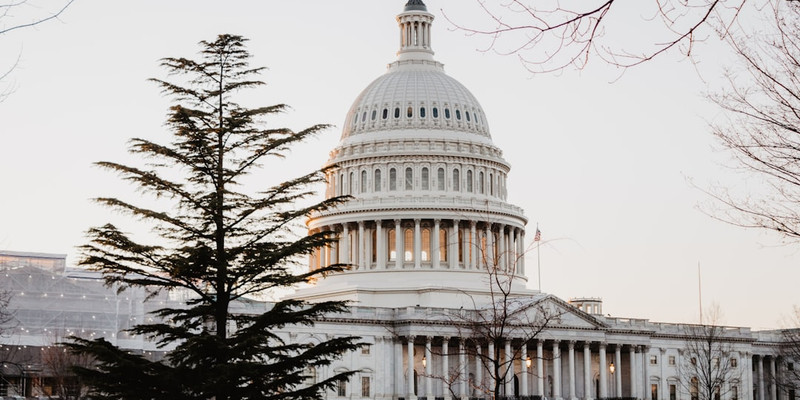
Dubbed the “American Perception Realignment Act,” the plan seeks to address everything from border security to economic instability by simply changing the language used to describe them.
“For too long, we’ve been trapped by negative terminology,” said one senior lawmaker. “Words like ‘crisis’ and ‘problem’ create unnecessary anxiety. By renaming these situations, we can dramatically improve national morale without the mess of actual solutions.”
Under the proposal, illegal immigration will now be referred to as “unscheduled cultural enrichment,” inflation becomes “dynamic pricing patriotism,” and rising crime rates will be labeled “spontaneous community engagement.”
Supporters say the strategy reflects a modern, forward-thinking approach to governance.
“The American people don’t need fewer problems—they need better narratives,” explained a congressional aide. “Once we fix the narrative, reality tends to follow… or at least become less noticeable.”
The plan also includes a taxpayer-funded rebranding task force, tasked with ensuring that every negative statistic is paired with a positive-sounding phrase. Early drafts suggest unemployment may soon be described as “career exploration leave,” while government debt could be reframed as “future optimism investment.”
Citizens across the country expressed mixed reactions.
“I guess it’s nice to hear everything sounds better,” said one voter. “But my rent is still going up, and my paycheck isn’t.”
Officials were quick to clarify that such concerns are exactly what the program aims to eliminate.
“That’s outdated thinking,” one representative said. “If we call it ‘housing appreciation participation,’ you’ll start to see it differently.”
Faith leaders have cautiously weighed in, noting that while truth matters, the effort does show remarkable creativity.
“There’s something biblical about naming things,” one pastor commented. “Though traditionally, it’s meant to reflect reality—not avoid it.”
Despite skepticism, lawmakers insist the plan is already producing results. Internal polling shows a 37% increase in reported “feelings of improvement” among individuals who have not checked their bank accounts in the past week.
In closing remarks, one senator summed up the initiative’s philosophy: “We may not be able to fix everything overnight—but we can definitely describe it better by morning.”
At press time, Congress announced Phase Two of the plan, which involves renaming Congress itself as “The Department of Occasional Progress.”


