

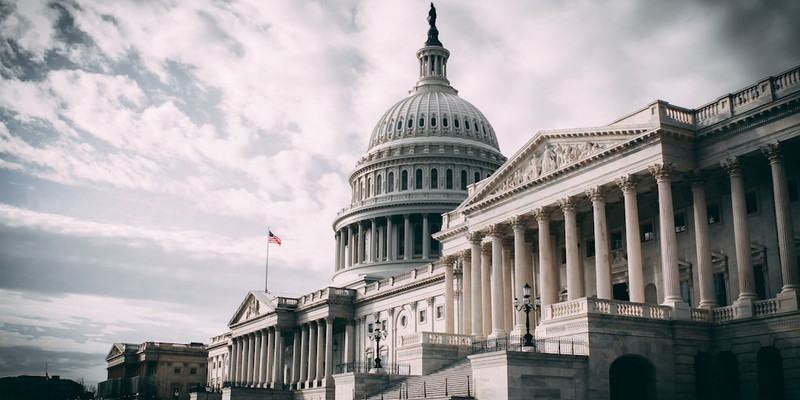
Members of Congress celebrated bipartisan cooperation Thursday after unveiling a historic proposal establishing the Federal Committee on Committee Oversight Oversight, a new agency tasked with evaluating whether previous oversight committees have been adequately overseeing one another.
Lawmakers hailed the measure as "bold fiscal responsibility," despite estimates that the new office will require three headquarters, seven advisory boards, twelve consultants, and approximately 4,800 pages of paperwork before purchasing its first stapler.
"This is exactly the kind of efficiency Americans deserve," proclaimed one senior legislator. "Nothing eliminates government waste faster than adding another layer of government."
The announcement came as lawmakers praised recent legislative productivity, pointing to a growing collection of reports recommending additional reports.
A newly appointed Deputy Assistant Interim Acting Director of Preliminary Administrative Coordination explained the agency's mission.
"Our first responsibility is determining whether we need another committee to determine if this committee is sufficiently committed to committee evaluation."
Experts applauded the precision.
Government contractors immediately began competing for multimillion-dollar studies examining optimal font sizes for future committee nametags.
One consultant predicted tremendous economic benefits.
"Every dollar spent studying bureaucracy creates three dollars' worth of PowerPoint presentations."
Citizens hoping for smaller government remained optimistic until learning the agency's organizational chart now occupies fourteen floors and requires GPS navigation.
Meanwhile, interns were instructed to prepare color-coded binders documenting previous binders discussing earlier binders.
The Congressional Cafeteria also announced a new Oversight Lunch Working Group to investigate whether sandwiches receive equitable representation during bipartisan negotiations.
"We cannot rush into turkey without first understanding turkey," explained one chairman.
To promote transparency, officials promised quarterly public meetings where citizens may observe lawmakers scheduling future meetings discussing whether additional meetings should eventually occur.
Attendance is expected to be low after organizers accidentally scheduled every hearing simultaneously.
Economists estimate the committee's first comprehensive report should be completed sometime shortly after flying cars become federally regulated.
Still, Washington remained optimistic.
"Our democracy works best when everyone feels heard," one representative assured reporters. "That's why we've created six new listening sessions to discuss why nobody thinks government listens."
The bill is expected to pass comfortably after lawmakers quietly inserted funding for an additional commission charged with determining whether this article should itself be reviewed by a committee before being laughed at.


