

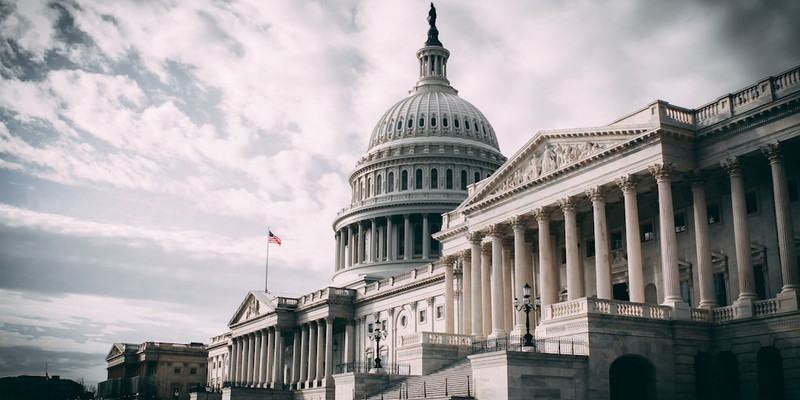
In what leaders are calling a “historic moment of unity,” Congress announced this week that both parties have successfully come together to accomplish nothing—faster, smoother, and more collaboratively than ever before.
The breakthrough came after weeks of negotiations, resulting in a comprehensive agreement to delay decisions on spending, border policy, and several other pressing issues until a later date that officials described as “emotionally appropriate.”
“This is what bipartisanship looks like,” said Senate Majority Leader Alan Stillwell. “We didn’t just fail separately—we failed together.”
The agreement, known as the “Unified Inaction Framework,” outlines a clear path forward for postponing difficult choices while issuing strongly worded statements expressing concern.
“For too long, gridlock has been messy and inefficient,” Stillwell explained. “Now, we’ve streamlined it.”
Under the new system, lawmakers will coordinate their inaction through shared calendars, synchronized recesses, and pre-approved talking points that ensure everyone sounds equally concerned while accomplishing equally little.
House leaders praised the deal as a sign that Washington can still function—just not in the way voters might expect.
“We’re proving that democracy works,” said one representative. “It just doesn’t necessarily produce results.”
The framework also includes a new accountability measure requiring members of Congress to publicly acknowledge problems without solving them.
“It’s about transparency,” one aide said. “People deserve to know we’re aware of the issues we’re ignoring.”
Political analysts have noted that the agreement represents a significant shift in tone, if not in outcome.
“In the past, inaction was chaotic,” said one expert. “Now it’s coordinated. That’s progress, technically.”
Voters have expressed mixed reactions. Some say they appreciate the honesty, while others remain skeptical.
“I guess it’s nice they’re working together,” said one citizen. “I just wish it was on something useful.”
Lobbyists, meanwhile, have welcomed the development, noting that predictable inaction creates a stable environment for influence.
“If nothing changes, everything stays negotiable,” one lobbyist said.
Faith leaders again offered perspective, pointing out that unity is valuable—but so is purpose.
“There’s a difference between coming together and standing still,” one pastor said. “One builds something. The other just… agrees not to.”
Despite criticism, congressional leaders remain optimistic about the future.
“This is just the beginning,” Stillwell said. “Next, we’re exploring ways to not pass legislation even more efficiently.”
At press time, Congress announced it had successfully avoided a government shutdown by agreeing to revisit the possibility of avoiding it again next month.


