

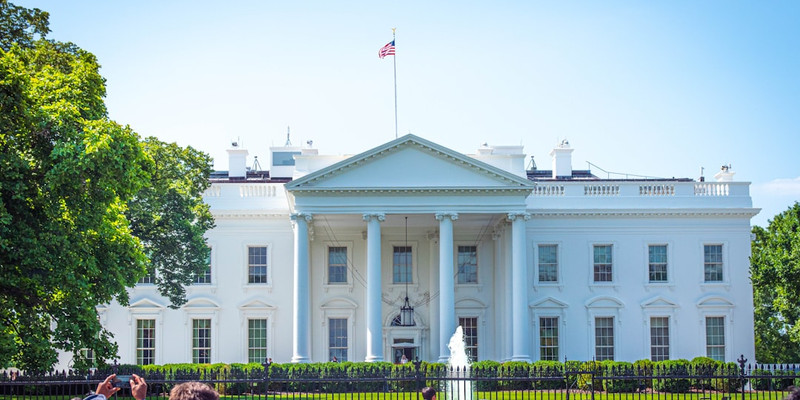
The White House announced Tuesday the formation of a bold new interagency task force aimed at combating what officials described as “dangerous misinformation” surrounding inflation—specifically the widely held belief that groceries cost more than they used to.
According to administration officials, the task force will consist of economists, communication strategists, social media moderators, and at least one poet tasked with “reframing the lived experience of purchasing eggs.” The group’s mission is to reassure Americans that inflation is “statistically exaggerated” and “emotionally misinterpreted,” particularly by people who insist on eating every day.
“This is about protecting democracy,” said Task Force Director Linda Featherton, standing before a chart showing inflation trending downward if you remove food, fuel, housing, and everything else people buy. “When Americans claim they can’t afford groceries, that kind of rhetoric undermines trust in institutions—and we can’t have that.”
Featherton emphasized that while prices may appear higher, Americans are actually paying the same amount “in spirit.” She added that feelings of sticker shock are often caused by “algorithmic anxiety” and outdated expectations formed before Americans learned to budget creatively.
The task force plans to roll out a nationwide messaging campaign titled Prices Are Stable If You Stop Looking, encouraging citizens to avoid negative economic content and instead focus on “macro-level optimism.” Future initiatives include inflation-sensitive trigger warnings on grocery receipts and optional blindfolds at checkout.
Treasury officials echoed the sentiment, noting that wage growth, when measured using a proprietary calculator that excludes taxes and reality, has “never been stronger.”
“People forget that money is just a social construct,” said Deputy Treasury Secretary Mark Ellison. “If you emotionally detach from the concept of cost, inflation basically disappears.”
Critics argue the administration is out of touch, pointing to skyrocketing household expenses and shrinking savings. But officials dismissed those concerns as anecdotal and possibly influenced by foreign disinformation campaigns originating in “unverified wallets.”
The task force will also work closely with social media companies to flag posts featuring grocery hauls, gas station signs, or receipts longer than six inches. Repeated offenders may be redirected to educational content explaining why economic hardship is often a mindset problem.
Faith leaders were quick to weigh in, with some urging honesty and humility from leaders. Others noted that even biblical loaves and fishes miracles started with acknowledging there wasn’t enough food.
Still, administration officials remain optimistic.
“Inflation is transitory,” Featherton said confidently. “It’s been transitioning for several years now, and eventually it will transition into something else we can rename.”
The task force is expected to release its first official report next month, just as Americans begin their annual tradition of pretending Christmas shopping is “manageable this year.”


