

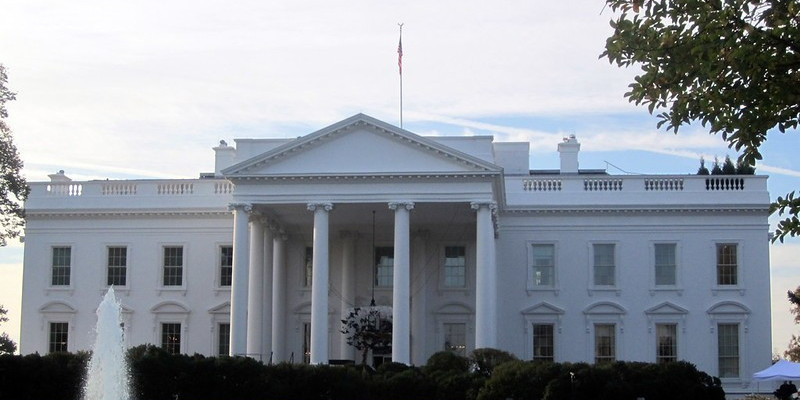
The White House unveiled a bold new economic messaging strategy this week, officially redefining the word “recession” as “growth with boundaries,” in an effort to better reflect what officials describe as “a more inclusive understanding of economic success.”
Press Secretary Dana Wilcox explained the shift during a briefing, noting that traditional definitions of recession—such as declining GDP and reduced consumer activity—are “outdated and potentially discouraging.”
“We’re not in a recession,” Wilcox said confidently. “We’re experiencing growth that has chosen to set healthy limits.”
According to administration economists, the updated terminology will help Americans better appreciate the “intentional slowdown” currently affecting their bank accounts.
“For decades, we’ve pushed this idea that growth should always feel positive,” said senior advisor Mark Ellison. “But true growth can sometimes feel like not being able to afford things you used to afford.”
The administration also released a helpful chart showing that while spending power has decreased, “emotional resilience” has increased, creating what officials call a “net positive experience.”
One official pointed out that Americans are now making “more mindful purchasing decisions,” often choosing between groceries and utilities with a level of intentionality not seen in previous decades.
“That’s not hardship,” Ellison clarified. “That’s prioritization.”
Media outlets quickly embraced the new language, with several networks updating their economic coverage to reflect the shift.
“Growth with boundaries is actually a very sophisticated concept,” said one analyst. “It’s like dieting, but for your entire financial life.”
Critics, however, have expressed skepticism, arguing that changing terminology does not change reality.
But administration officials insist that language plays a critical role in shaping outcomes.
“If we stop calling it a recession, people may stop experiencing it as one,” Wilcox explained. “Words matter.”
Faith leaders offered a more grounded perspective, noting that while perspective is important, truth remains essential.
“There’s value in hope,” said Pastor Andrew Collins. “But hope works best when it’s attached to reality.”
The administration is expected to roll out additional terminology updates in the coming weeks, including renaming “debt” as “future optimism” and “tax increases” as “collective investment enthusiasm.”
At press time, Americans reported feeling encouraged, noting that while their financial situation hasn’t improved, it does sound significantly better.


