

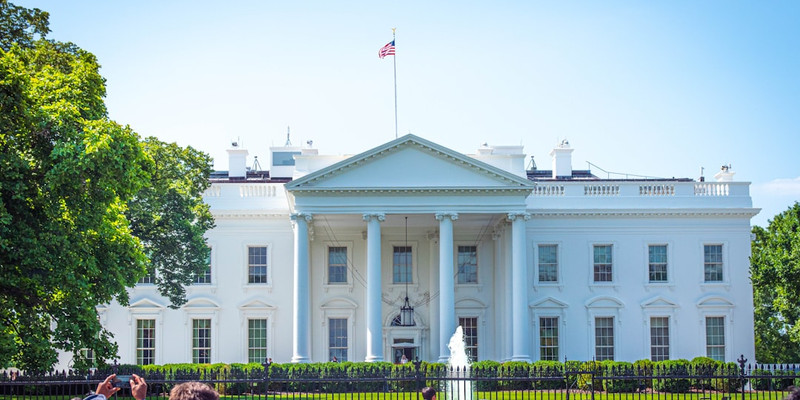
The White House unveiled a bold new initiative this week aimed at combating what officials describe as “unintentional citizen confusion.”
The newly established Office of Narrative Alignment — quickly nicknamed the “Ministry of Misinformation” by critics — will provide real-time clarification on what Americans actually meant to say online.
“This is not censorship,” insisted a senior administration official. “It’s conversational assistance. We’re simply helping Americans express themselves correctly.”
Under the proposal, citizens who post potentially misleading or “contextually misaligned” statements will receive automated guidance suggesting alternative wording more consistent with federal messaging priorities.
For example, a post reading “Inflation is hurting my family” might be gently revised to: “I appreciate the administration’s bold investment in long-term affordability initiatives.”
Officials say the service will be optional — in the same way airport security lines are technically optional.
“We believe in free speech,” the spokesperson continued. “We just believe free speech works best when it’s peer-reviewed.”
The office will reportedly employ linguists, behavioral economists, and several former cable news producers trained in the art of tone recalibration.
One internal memo described the goal as “proactively harmonizing public discourse to minimize destabilizing independent thought.”
Reaction on Capitol Hill was predictably divided. Supporters praised the initiative as a necessary tool to combat viral misinformation. Opponents described it as “Orwell with better Wi-Fi.”
A senior senator defended the office, arguing that the internet has become “too free-range.”
“When Americans are allowed to think unsupervised, misunderstandings happen,” she said. “We’re simply adding guardrails to thought.”
The tech industry quickly signaled cooperation. Several major platforms confirmed they are exploring integration features that would allow posts to display a helpful badge reading: “Edited for Narrative Accuracy.”
Critics warn the initiative risks blurring the line between guidance and control.
“This isn’t about correcting facts,” one civil liberties advocate noted. “It’s about correcting tone.”
Meanwhile, everyday Americans expressed confusion about whether sarcasm will be permitted.
An administration official clarified: “Sarcasm is allowed if it affirms approved conclusions.”
The Office of Narrative Alignment is expected to begin pilot testing next week, focusing first on economic commentary, border discussions, and any sentence beginning with the phrase, “I have a question…”
In closing remarks, the president reassured citizens that their voices remain vital to democracy.
“We just want to make sure they’re the right voices.”
The new office’s motto, revealed at the press conference, reads: ‘Freedom of Speech — Now With Suggested Edits.’


