

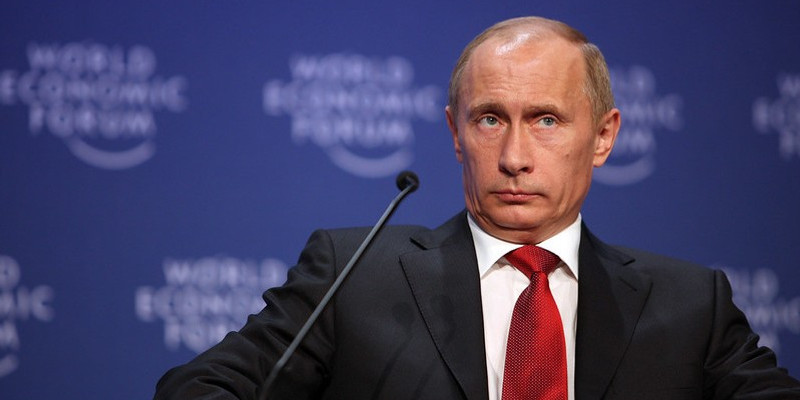
In a headline that absolutely no one saw coming except every cartoon ever made about Russia, five European governments — including Britain, France, Germany, Sweden, and the Netherlands — dropped a bombshell this weekend: Alexei Navalny wasn’t just accidentally left out in the cold, he was allegedly killed with toxin from a rare South American dart frog while imprisoned in Siberia. The news was delivered with all the solemnity of a nature documentary host whispering, “Here we see the elusive poison frog in its natural habitat…”
Officials confidently pointed out that this specific toxin doesn’t exist in Russia — because of course it doesn’t, how else would everyone immediately think of dart frogs when they hear “poison in Siberia”? The European statement was so specific that world leaders are now rumored to be calling for sanctions on frog habitats. “We demand accountability,” declared one diplomat, “and a habitat protection bill.”
Meanwhile, Moscow rushed to respond with trademark calm, dismissing the whole thing as “biased” and “nothing more than an exotic amphibian smear campaign.” Kremlin propagandists proudly released a rebuttal cartoon showing Putin battling a giant brightly colored frog with a sword labeled “Siberian Winter.” “We reject these accusations,” Russia’s spokesperson insisted, “and also deny sponsoring poison frogs. Everyone knows our frogs use vodka.”
Political analysts called the saga “the most amphibiously confusing episode since Frogger.” One expert noted, “Nothing says geopolitical tension like accusing a super-jumping frog of state-level assassination.” In fact, diplomats were overheard suggesting that this might be a breakthrough in international diplomacy: if talking sanctions don’t work, maybe sending adorable frog plush toys to world leaders will. One European foreign minister winked, “If frogs can cause diplomatic crises, maybe they can fix them too.”
Critics pointed out the obvious: only in 2026 could a political assassination be blamed on a creature that looks like someone’s rejected Pokemon concept. But supporters cheered the clarity, since at last there was definitive proof that geopolitics has entered its Pokémon Era. Public opinion weights now lean toward drafting frog-related legislation, and one lawmaker even suggested forming a special amphibian envoy. Because if you’re going to blame frogs for global politics, why not give them a seat at the table?
In the end, the dart frogs remained silent — quite literally — yet somehow louder than ever on the world stage. Political humorists have already launched a new hashtag: #FrogGate, demanding that NATO create a Frog Peacekeeping Brigade. It remains unclear whether amphibians will accept their official credentials, but one thing is certain: diplomacy just got a lot hoppier.
Final punchline: In 2026, even frogs are diplomats now — and Putin’s still not amused.


