

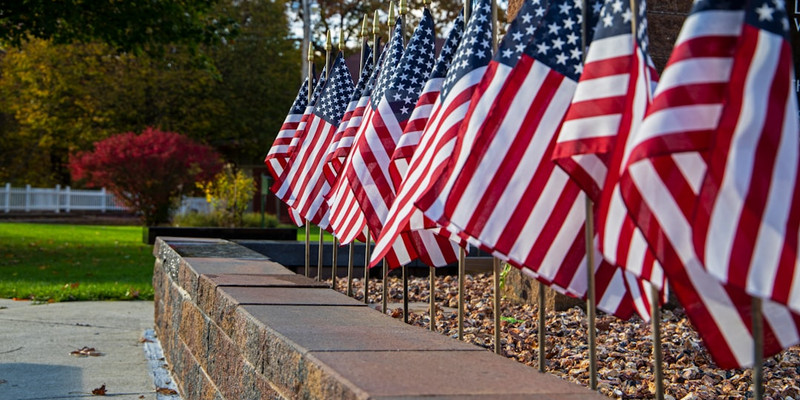
America awoke this week to a crisis few pundits predicted: citizens kept flying American flags several days after Independence Day.
Television panels immediately convened emergency discussions asking whether prolonged patriotism should require warning labels.
"It's deeply concerning," one cultural analyst declared. "Historically, flags were only supposed to appear during carefully supervised sporting events or when criticizing America overseas."
Neighborhoods across the country stubbornly ignored the concern.
Families grilled hamburgers.
Veterans smiled.
Children waved miniature flags without first completing an online seminar titled Recognizing the Hidden Microaggressions of Fabric.
Experts called this "deeply problematic."
One university announced a new course examining whether fireworks represent "auditory privilege."
Enrollment filled immediately after students learned attendance counted as civic engagement.
A media consultant warned that excessive gratitude toward one's country could create unrealistic expectations.
"If people start believing America is worth celebrating," she explained, "our outrage programming becomes much harder to monetize."
Meanwhile, local churches reported an alarming rise in prayers expressing thankfulness for freedom.
A nonprofit immediately applied for federal funding to study whether gratitude disproportionately benefits emotionally stable people.
"It's important that everyone feel equally miserable," the grant proposal reportedly stated.
One retired Marine offered a simpler perspective.
"I've buried friends who never made it home," he said. "Flying a flag isn't politics. It's remembering what freedom costs."
The room reportedly fell silent for nearly six seconds before someone suggested pivoting back to a panel discussion about problematic hot dogs.
Social media attempted to restore balance by informing users that patriotism is acceptable only when accompanied by a twelve-part disclaimer acknowledging every mistake made since 1776.
Americans responded by buying more flags.
Retailers struggled to keep shelves stocked as customers continued making the shocking decision to appreciate the country while simultaneously admitting it isn't perfect.
Political consultants warned this could become contagious.
"If ordinary people start loving their country without waiting for permission," one strategist admitted nervously, "they may also begin thinking for themselves."
The nation now waits anxiously to see whether Old Glory survives another week fluttering in front yards across America.
Meteorologists predict a 100% chance of wind.
Commentators predict they'll still somehow blame the flag.


