

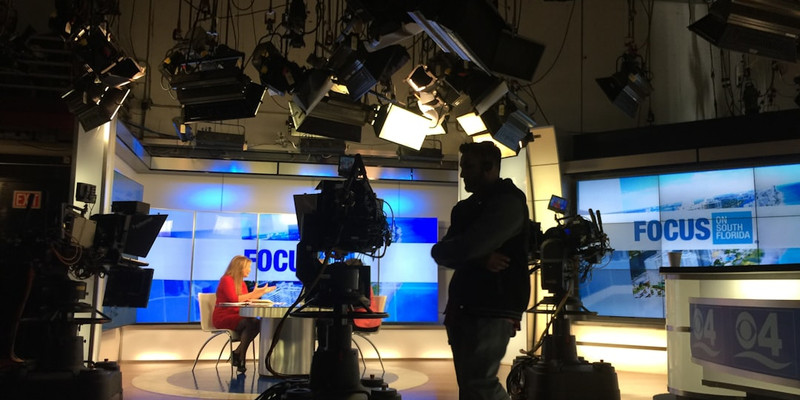
In a move that has stunned journalists and confused millions of viewers, a major media outlet announced plans this week to conduct a bold experiment: reporting both sides of a story.
The initiative, described internally as “high-risk but potentially nostalgic,” will reportedly involve presenting two differing viewpoints on a single issue without immediately labeling one as dangerous misinformation.
“We understand this may come as a shock,” said the network’s editor-in-chief during a carefully moderated press briefing. “But we believe the American people are ready to briefly encounter ideas they haven’t already agreed with.”
According to sources, the decision was inspired by a recently discovered archival clip from the early 2000s, in which a news anchor calmly interviewed two guests who disagreed—and allowed both to finish their sentences.
“It was unsettling,” admitted one producer. “There was no shouting, no hashtags, and no emergency graphics. Just… conversation.”
The experiment will begin with a segment on a contentious policy issue, during which one guest will present a viewpoint, followed by another guest presenting a different viewpoint. The network has reportedly installed additional safety measures, including a “fact-check panic button” in case viewers become overwhelmed.
To prepare audiences, the outlet has issued a warning that exposure to differing perspectives may cause temporary discomfort, including symptoms such as curiosity, critical thinking, and the sudden urge to ask questions.
“We want to reassure viewers that this is only a trial,” said a senior anchor. “If at any point it becomes too balanced, we will immediately return to our regularly scheduled certainty.”
Reactions have been mixed. Some viewers expressed cautious optimism, while others demanded to know how they were supposed to know what to think without a clearly indicated conclusion.
“I rely on the news to tell me which opinions are safe,” said one concerned citizen. “If they start showing both sides, I might accidentally form my own.”
Media analysts note that the move could have far-reaching implications if successful. “If people realize they can hear different perspectives without the world ending, it could fundamentally alter the industry,” said one expert. “Naturally, that’s why it probably won’t last.”
Inside the newsroom, tensions are reportedly high as staff members undergo intensive training to resist interrupting guests mid-sentence. Early drills have shown mixed results, with several reporters instinctively adding disclaimers after hearing an unfamiliar viewpoint.
At press time, the network confirmed the segment would air late Friday night, just after a documentary on the dangers of independent thought, ensuring minimal disruption to the broader media ecosystem.


