

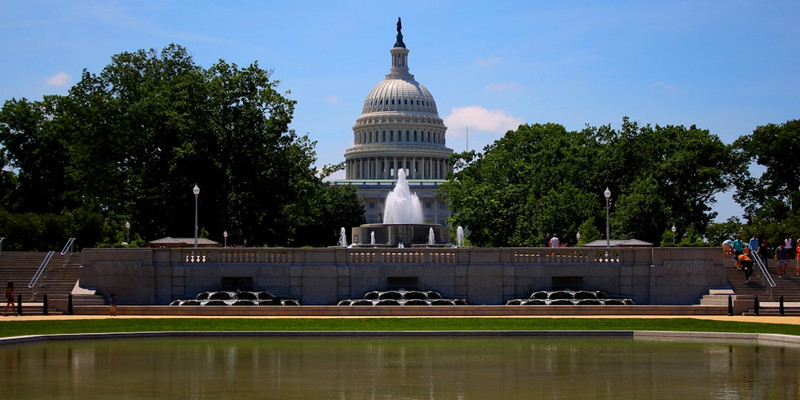
In a rare display of bipartisan cooperation, members of Congress introduced a sweeping new economic proposal aimed at stabilizing the nation’s finances by replacing traditional currency with what they call “confidence-based wealth.”
The plan, titled the Emotional Prosperity Act, seeks to address ongoing economic concerns not by reducing spending or tackling debt, but by encouraging Americans to simply feel richer.
“For too long, we’ve relied on outdated systems like math and budgeting,” said Representative Alan Crowley. “It’s time we embrace a more modern, feelings-driven economy.”
Under the proposal, physical money will gradually be phased out and replaced with “Confidence Credits,” a non-tangible form of currency based entirely on personal belief in one’s financial well-being.
“If you believe you have $100, then in a very real sense, you do,” Crowley explained. “The problem isn’t scarcity—it’s doubt.”
Treasury officials say the system will be supported by a nationwide affirmation campaign, encouraging citizens to repeat phrases like “I am financially abundant” while checking their bank accounts.
Early pilot programs have already shown promising results, with participants reporting a 100% increase in perceived wealth and a 0% change in actual purchasing power.
“That’s a win,” said one economist involved in the study. “People feel better, and feelings are what drive the economy.”
To ensure compliance, the IRS will begin auditing not just income, but attitude. Americans found expressing “financial negativity” may be required to attend mandatory optimism workshops.
“Negativity is a tax on progress,” said Treasury Secretary Linda Park. “We’re simply closing that loophole.”
Businesses are also being encouraged to adopt the new system. Several major retailers have already agreed to accept Confidence Credits, provided customers maintain eye contact and speak with sufficient conviction at checkout.
“I tried it yesterday,” said shopper Melissa Grant. “I told the cashier I felt like I had $300. She said she felt like I didn’t, and security escorted me out. So there’s still some kinks to work out.”
Despite skepticism from traditional economists, lawmakers remain optimistic that the plan will usher in a new era of prosperity.
“We’re redefining wealth for the 21st century,” Crowley said. “It’s no longer about what you have—it’s about how strongly you insist you have it.”
At press time, Congress announced a follow-up bill that would eliminate the national debt by collectively agreeing to “just not think about it anymore.”


