

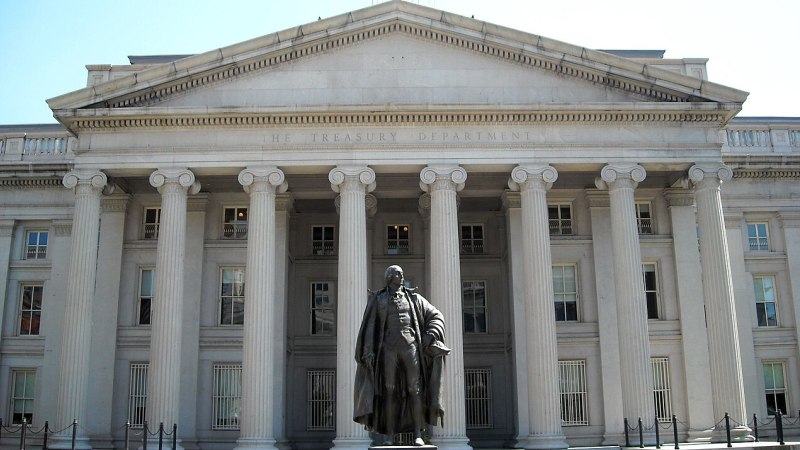
Congressional leaders convened an emergency bipartisan hearing Tuesday after the U.S. Treasury Department briefly reported what officials are calling a “deeply concerning accounting anomaly” — a balanced federal budget.
The surplus reportedly lasted approximately eleven minutes before being corrected, but not before triggering widespread alarm across Capitol Hill.
“We will not allow this kind of extremism to take root,” said one visibly shaken committee chair. “America was not built on balanced budgets. It was built on ambition, infrastructure bills, and 9,000-page continuing resolutions.”
According to staffers, the incident occurred after a junior analyst accidentally categorized several trillion dollars of spending as “optional.” The clerical error temporarily reduced projected deficits to zero, prompting automated alerts inside the Congressional Budget Office labeled: ‘Unprecedented Event — Check for System Failure.’
Markets reportedly responded with cautious optimism before realizing Congress was already drafting a corrective measure.
Within hours, lawmakers introduced the Emergency Fiscal Stabilization Through Immediate Spending Act — a $2.4 trillion package designed to “restore normalcy.”
“We must act swiftly,” explained a senior senator. “If the American people get used to financial responsibility, they might start expecting it.”
The White House released a statement assuring citizens that “no long-term balance will be tolerated” and that steps are being taken to ensure future deficits remain “robust and forward-looking.”
Political analysts say the brief surplus caused confusion across party lines. Conservatives were seen blinking repeatedly at spreadsheets. Progressives reportedly demanded an investigation into how austerity “snuck into the data.”
One representative described the moment as “emotionally destabilizing.”
“For a second, I thought we were Sweden,” he admitted quietly. “It was terrifying.”
Economists confirmed the anomaly did not reflect actual spending cuts, but rather a temporary pause in new program approvals while Congress was at lunch.
“That’s the real danger,” said a fiscal policy expert. “If lawmakers stop spending even for a sandwich break, unpredictable things can happen.”
By late afternoon, the Treasury Department had corrected the figures, restoring the deficit to “healthy, historically reassuring levels.” Lawmakers across the aisle applauded the fix as a victory for stability.
In a rare show of unity, both parties agreed to form a permanent oversight committee tasked with preventing any future occurrences of accidental solvency.
The committee’s first recommendation: install a “Deficit Floor” that automatically triggers spending increases if federal accounts approach balance.
As one relieved congressman concluded, “Freedom isn’t free — and apparently neither is everything else.”
By evening, Washington had returned to its normal rhythm of appropriations, emergency authorizations, and strongly worded budget resolutions that no one reads.
The nation can rest easy knowing that fiscal responsibility has once again been safely contained.


