

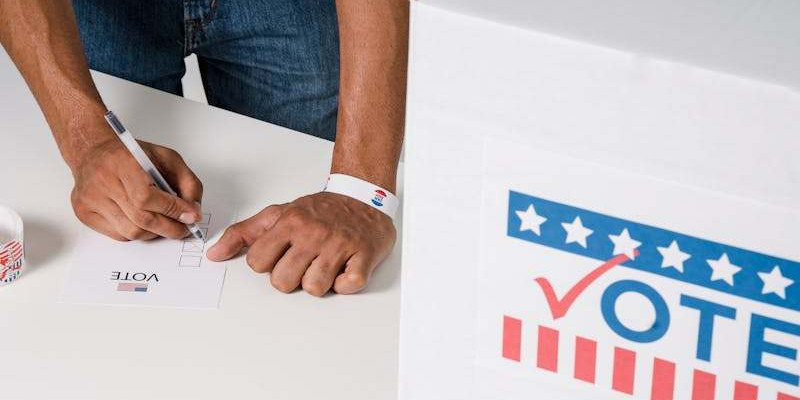
California officials announced a bold new step toward “radical electoral inclusion” this week by allowing residents to register to vote using a wider range of identification documents, including gym cards, insurance cards, and, according to several enthusiastic county clerks, “anything that demonstrates a sincere commitment to existing.”
The move was immediately praised by democracy advocates, who argued that requiring proof of citizenship or identity unfairly privileges people who know who they are.
“We're finally removing barriers,” said California Secretary of Universal Participation, Harmony Wokewell. “For too long, voters have been forced to prove things about themselves. That kind of expectation belongs in the dark ages.”
Election offices across the state reportedly began receiving registration applications from customers carrying frozen yogurt punch cards, expired zoo memberships, and one man who successfully registered using a receipt from a vegan crystal-healing seminar.
Officials stressed that all forms of identification are equally valid because truth itself is a social construct.
“We found that citizenship documents can be exclusionary,” explained one policy advisor. “But if someone has committed to ten yogurt purchases and earned a free medium swirl, that's the kind of civic engagement we're looking for.”
The Department of Motor Vehicles immediately expressed concern after learning it would now be easier to vote than renew a driver's license.
Political analysts predict the policy could dramatically increase turnout among previously underrepresented groups, including people who accidentally wandered into polling locations while searching for a Pilates class.
Not everyone supported the change.
Critics argued that elections should maintain at least some connection to voter verification.
In response, state officials unveiled a new educational campaign titled Your Truth Is Your ID.
“The important thing isn't who votes,” said election consultant Brayden Inclusiverson. “The important thing is that nobody ever feels questioned. Democracy flourishes when accountability is replaced by vibes.”
Meanwhile, local activists demanded the state go even further by allowing emotional support animals to cast ballots on behalf of owners experiencing election-related anxiety.
Several counties have already begun testing pilot programs.
One Labrador reportedly voted three times before becoming distracted by a tennis ball.
Election observers remain optimistic.
“We're building the most accessible voting system in human history,” said Wokewell proudly. “Our next goal is eliminating the burden of actually showing up.”
At press time, California lawmakers were considering legislation allowing citizens to vote telepathically through a state-approved mindfulness app that crashes every Tuesday.


